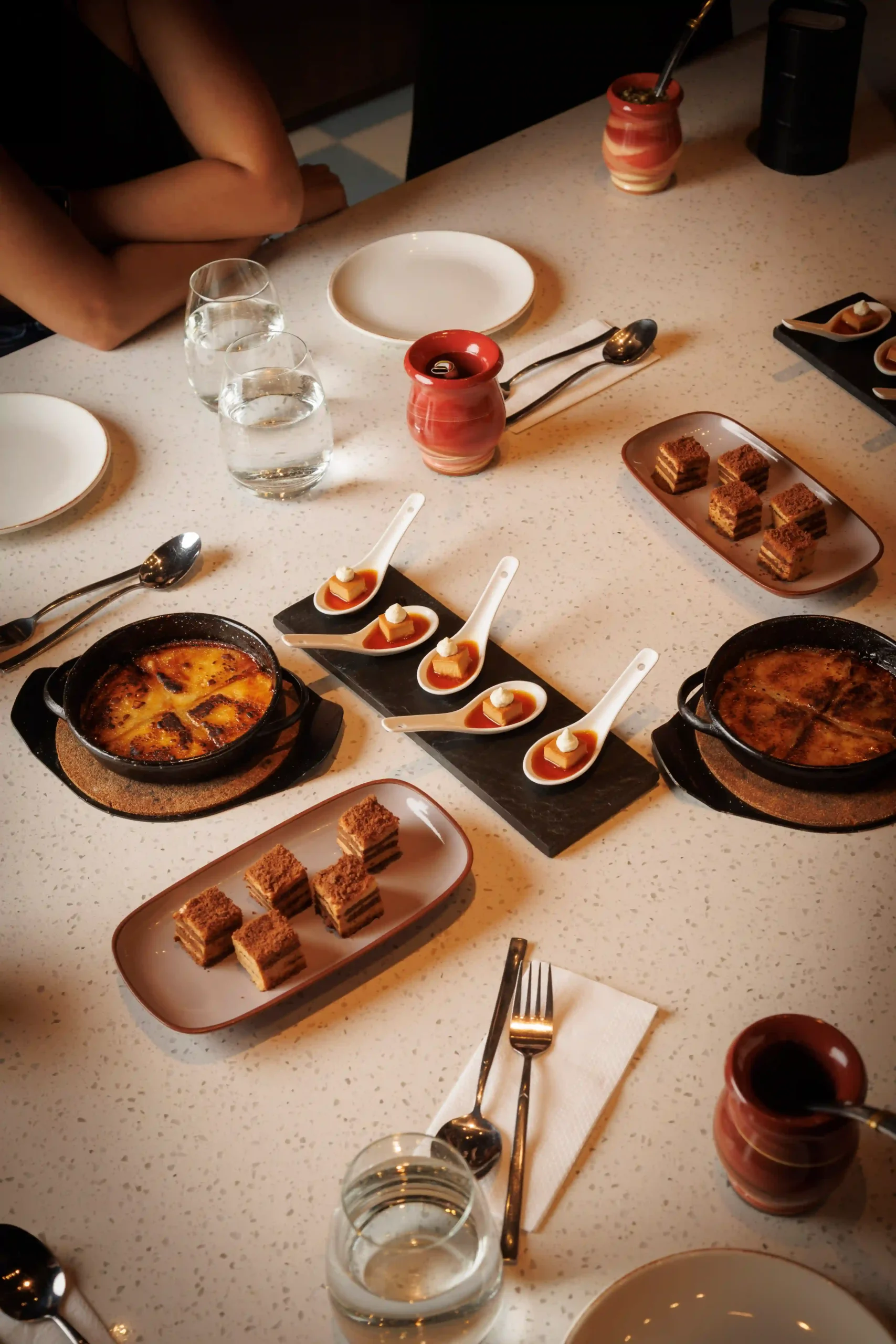
From the very moment you step foot in Argentina, you will notice a thick, golden-brown obsession sneaking its way into almost every meal. It is spread on your morning toast at the hotel, generously stuffed inside the pastries at every bakery, and sometimes even swirled into your coffee. You simply cannot escape it, and honestly, you won’t want to.
But what is dulce de leche, exactly? If you are wondering what does dulce de leche mean, the literal translation is “sweet of milk” or “jam of milk.” However, for us Argentines, it means so much more than. It is the absolute, undisputed king of our sweet tooth.
In this guide, we are not just going to give you the basic facts. As your hosts, we want to show you how to enjoy it like a true local. We will settle the famous caramel debate, dive into its accidental history, and share the four best ways to eat it, including exactly how we choose to feature this national treasure in our own dining experiences at The Argentine Experience.
The Sweet Mistake: Where Does Dulce de Leche Come From?
Let’s be fair: many countries across Latin America claim their own delicious variations of boiled milk and sugar. You might have tried it as manjar in Chile or arequipe in Colombia. However, the Argentine version has a distinctly unique profile: darker, glossier, and with a richer depth of flavor. While they belong to the same family, they are simply not the same.
So, how did this national obsession begin? How was dulce de leche originated? While historians across the continent debate its true origins, in Argentina, we proudly hold on to a famous legend from 1829. The story goes that a maid working for the prominent Argentine politician Juan Manuel de Rosas was boiling milk with sugar to make lechada (an old, sweet drink). Distracted by the sudden arrival of a political rival, she completely forgot about the pot on the fire. By the time she rushed back to the kitchen, the liquid had reduced and transformed into a thick, brown, sticky syrup. It was a beautiful, sweet mistake that changed our culinary history forever.
Because the ingredients sound so simple, our guests often want to recreate it. But if you have ever wondered how to make dulce de leche from scratch, we have to warn you: you are stepping into a complex territory and you are going to need a lot of patience. The authentic method literally involves standing over a stove, slowly stirring good quality cow’s milk and sugar over low heat for hours on end, waiting for it to perfectly reduce and caramelize without burning.
Dulce de Leche vs Caramel: Are These 2 the Same?
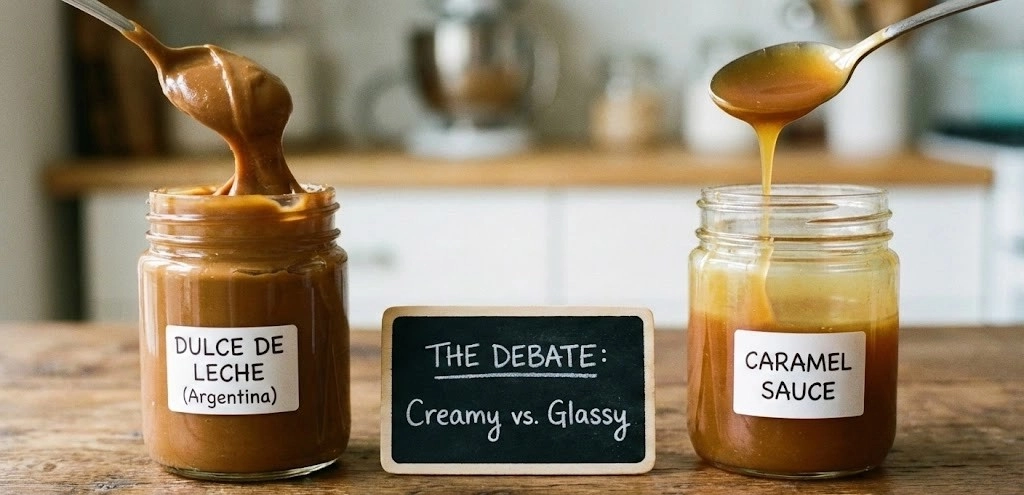
If there is one question we hear more than any other from guests during our dinners at The Argentine Experience, it’s the classic dulce de leche vs caramel debate. They take one look at the rich, golden-brown sauce and immediately ask: are dulce de leche and caramel the same? is dulce de leche caramel?
The short answer is absolutely not, even though they might look quite similar on a dessert plate and share a sweet, sticky profile.
The technical difference is actually very simple, and it all comes down to the science of the ingredients. Caramel is made by simply heating sugar and water until the sugar melts, caramelizes, and turns brown. It’s sweet, glassy, and sometimes a bit sharp or bitter. Dulce de leche, on the other hand, is made by slowly heating high-quality cow’s milk and sugar. As the milk cooks down over those long hours, it undergoes the famous Maillard reaction. This magical reaction is what gives dulce de leche its signature, luxuriously creamy texture and a much deeper, richer flavor profile than standard caramel.
The 4 Best Ways to Try It Like a Local
To understand Argentine culture, you have to understand that we don’t just save sweet things for dessert. We are obsessed with dulce de leche. We spread it on toast for breakfast, stuff it inside our medialunas, blend it into milkshakes, and swirl it into ice cream. To truly grasp the depth of our sweet tooth, you should check out our wider guide to Argentine desserts.
Before we dive into the best desserts, there is a technical secret most tourists never hear about: dulce de leche repostero. When you go to a supermarket, you will see jars labeled “clásico” and others labeled “repostero.” The repostero version is industrially thickened to be much denser. Bakeries use it so that cakes and pastries hold their structure and don’t collapse under the weight of the filling. It’s essential for baking, but I’ll let you in on a secret: personally, I prefer grabbing a spoon and eating the creamier, gooier classic version!
Once you are ready to taste it, these are the four essential ways to experience it like a true local:
1. Alfajores de Maicena (The Perfect Mate Companion)
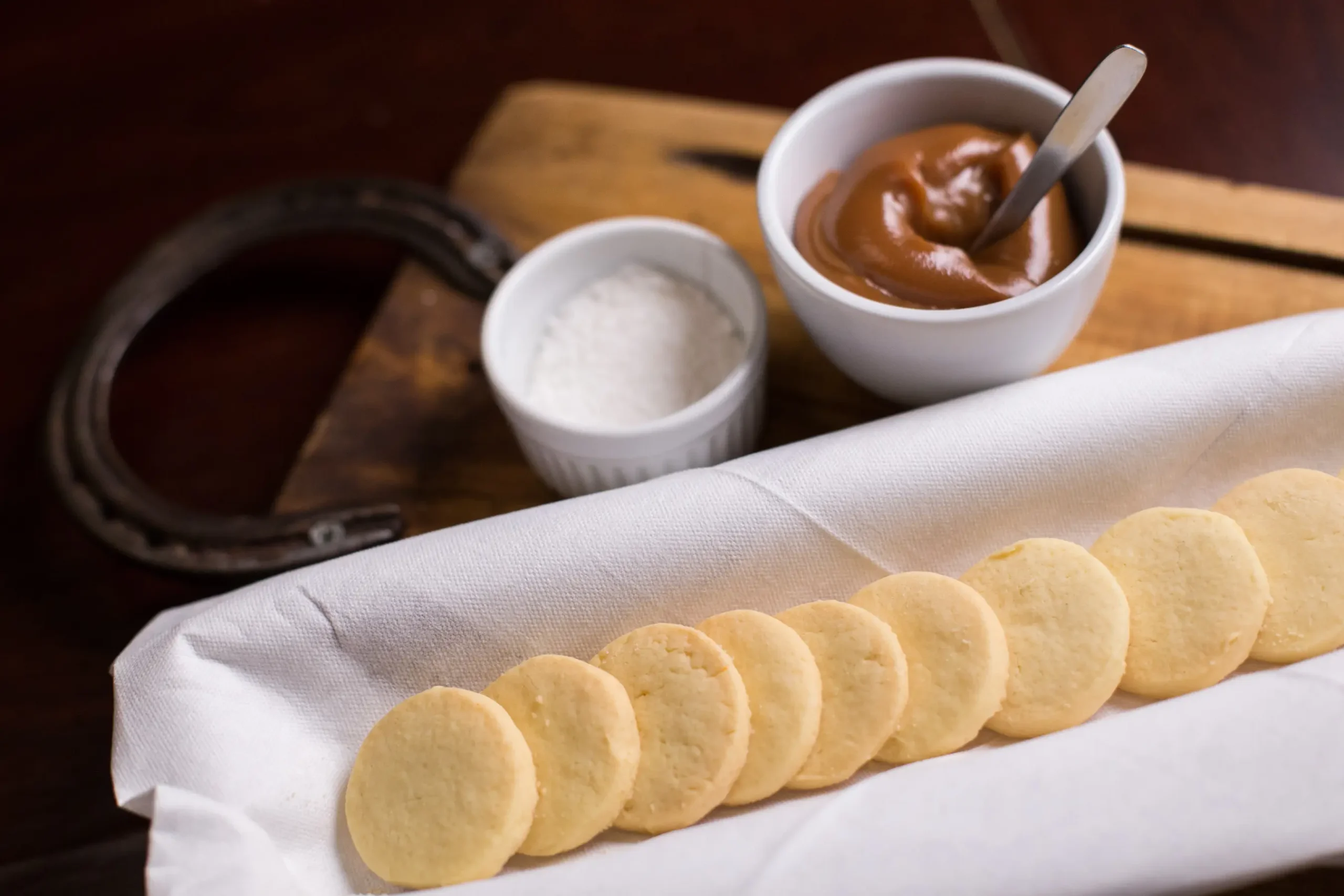
If there is one iconic Argentine sweet, it is the alfajor: two delicate cookies sandwiched together with a thick layer of, usually, dulce de leche. The maicena (cornstarch) version is particularly crumbly, tender, and heavily coated in shredded coconut around the edges.
At The Argentine Experience, this is exactly how we conclude our dinners. But, we don’t just serve them to you; we teach you how to assemble your own to accompany the traditional ritual of sharing mate. It is interactive, it gets a little messy with the coconut flying around, and it is 100% authentic.
2. Chocotorta (The Best Dulce de Leche Cake)
If you are looking for the ultimate Argentine dulce de leche cake, look no further than the Chocotorta. It is not a traditional baked sponge cake. Instead, it’s a clever, beloved no-bake invention made by layering famous chocolate cookies dipped in coffee or milk with a rich mixture of cream cheese and dulce de leche.
For us, this is the taste of childhood. It is practically the obligatory birthday cake at nearly every party growing up, and it remains an absolute crowd-pleaser for adults, too. This is exactly why it holds a special place on our dinner menu at The Argentine Experience. I personally love it because the cream cheese perfectly balances the sugar. It is incredibly delicious and sweet without ever being cloying.
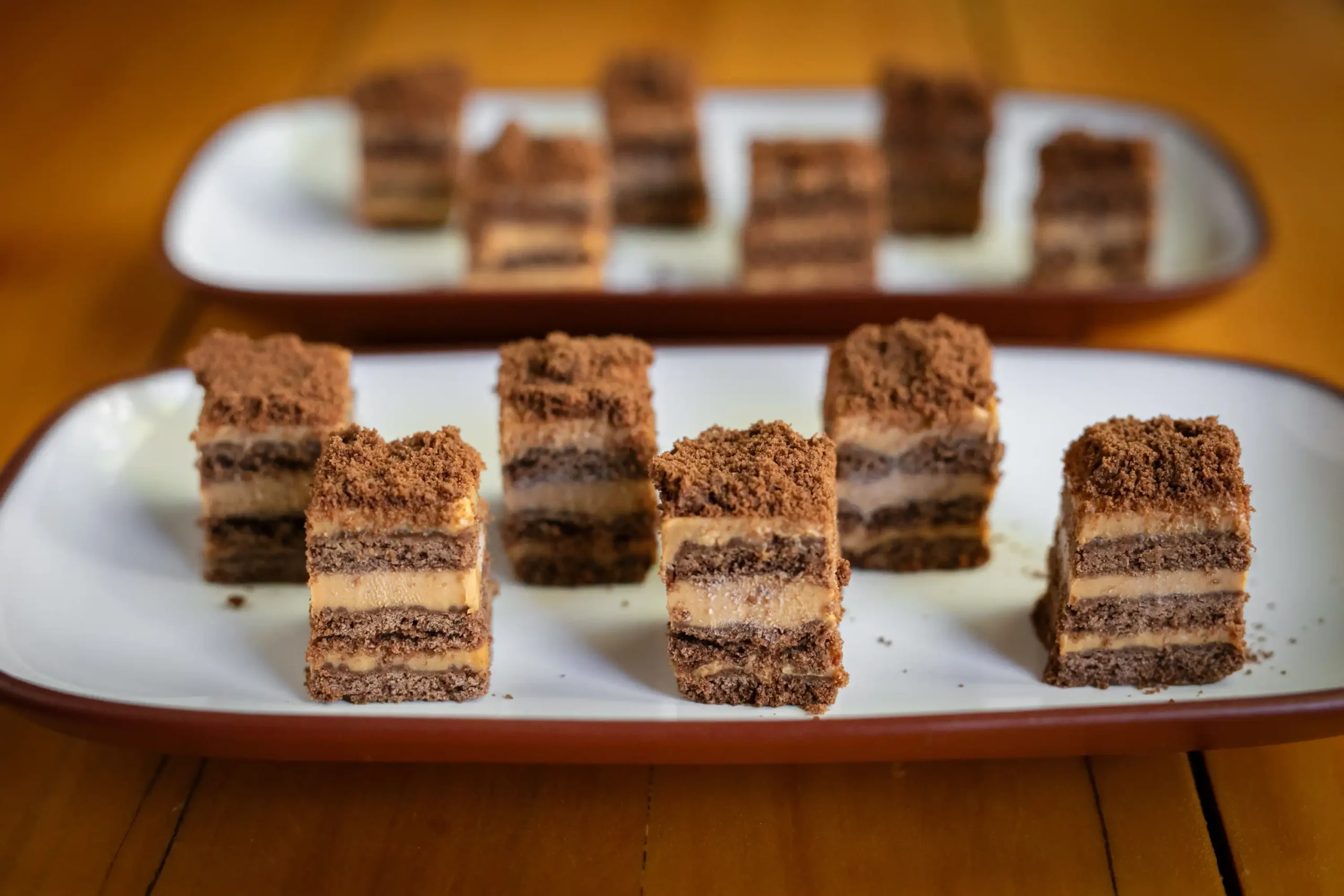
Want to recreate this magic at home? Check our full Chocotorta Recipe, where we even tell you exactly how to replace the authentic local ingredients if you can’t find them in your home country!
3. Panqueques de Dulce de Leche (The Comfort Classic)
This is pure, unadulterated comfort food. It is the dessert of a lazy Sunday family lunch or the classic in a traditional neighborhood restaurant. It is deceptively simple: a thin, warm crepe rolled up with plenty of dulce de leche inside.
At The Argentine Experience, we love taking this humble classic and turning it into a real show. We serve them beautifully folded and then caramelize the sugar on top right before your eyes, creating a perfect, crackling crust that perfectly contrasts the creamy filling.
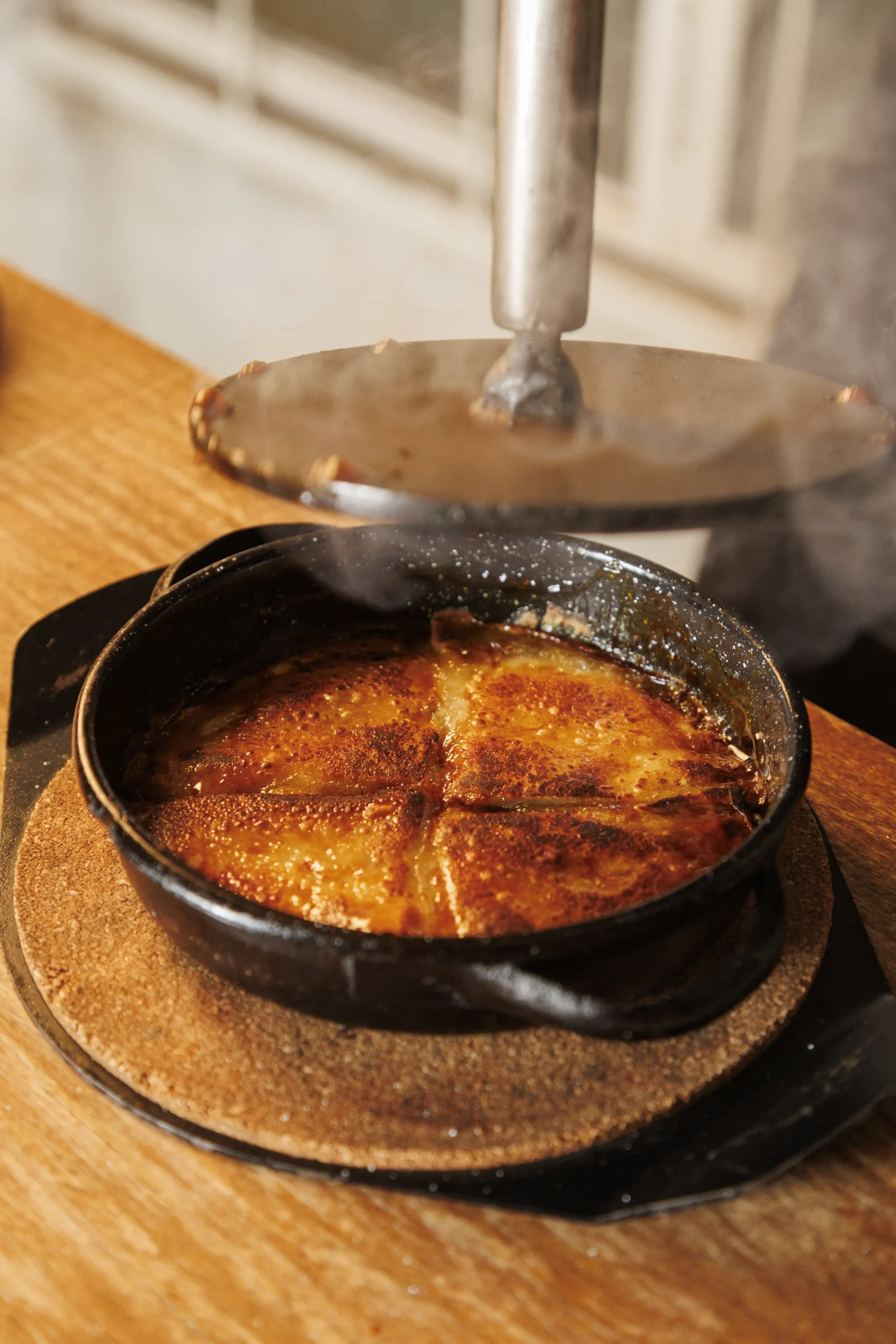
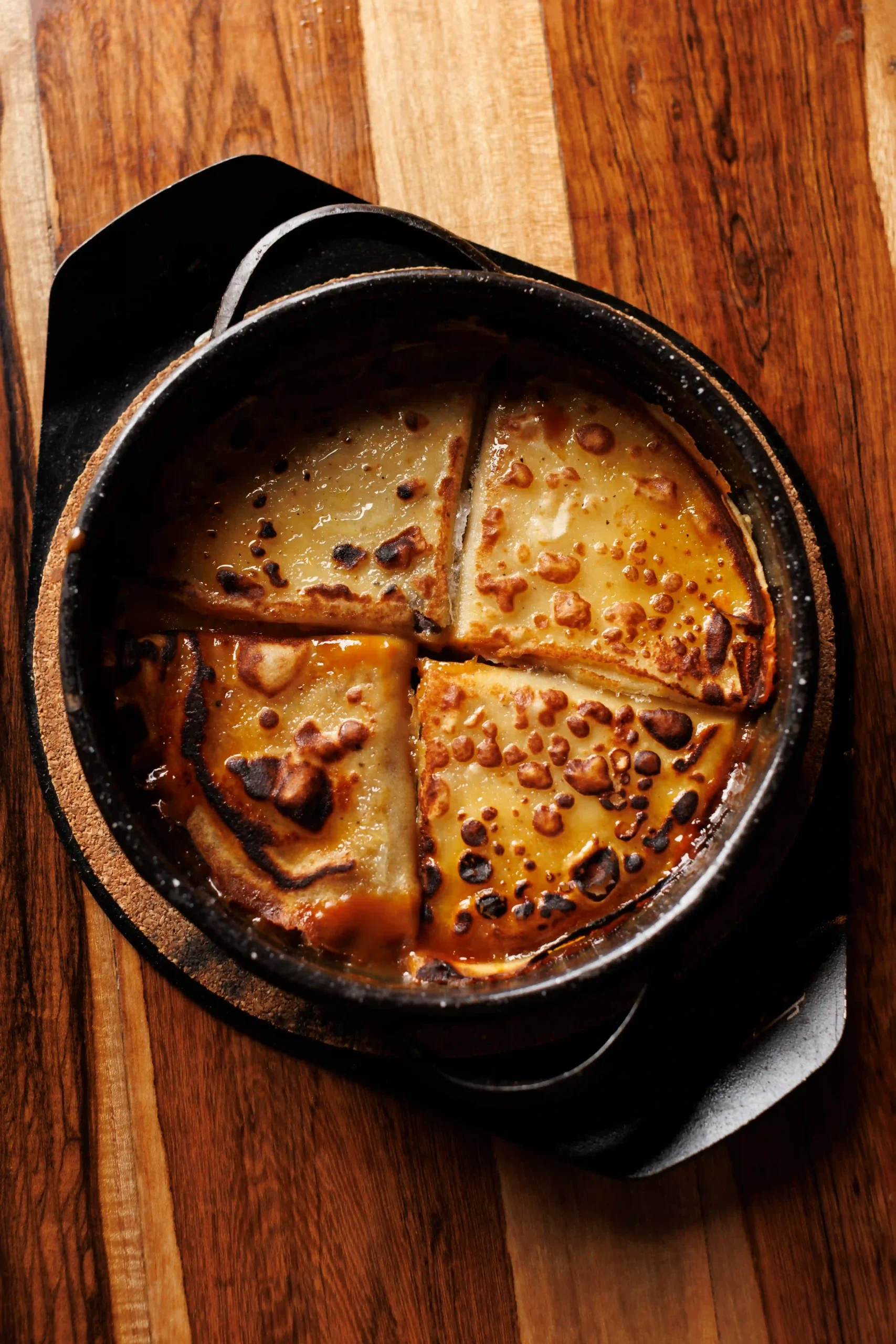
However, if you want to whip these up in your own kitchen, don’t overthink it! The process is incredibly simple. The batter and technique are very similar to making traditional French crepes: just cook a thin pancake, spread a generous layer of dulce de leche, roll it up, and enjoy.
4. Flan Mixto (The Restaurant Finale)
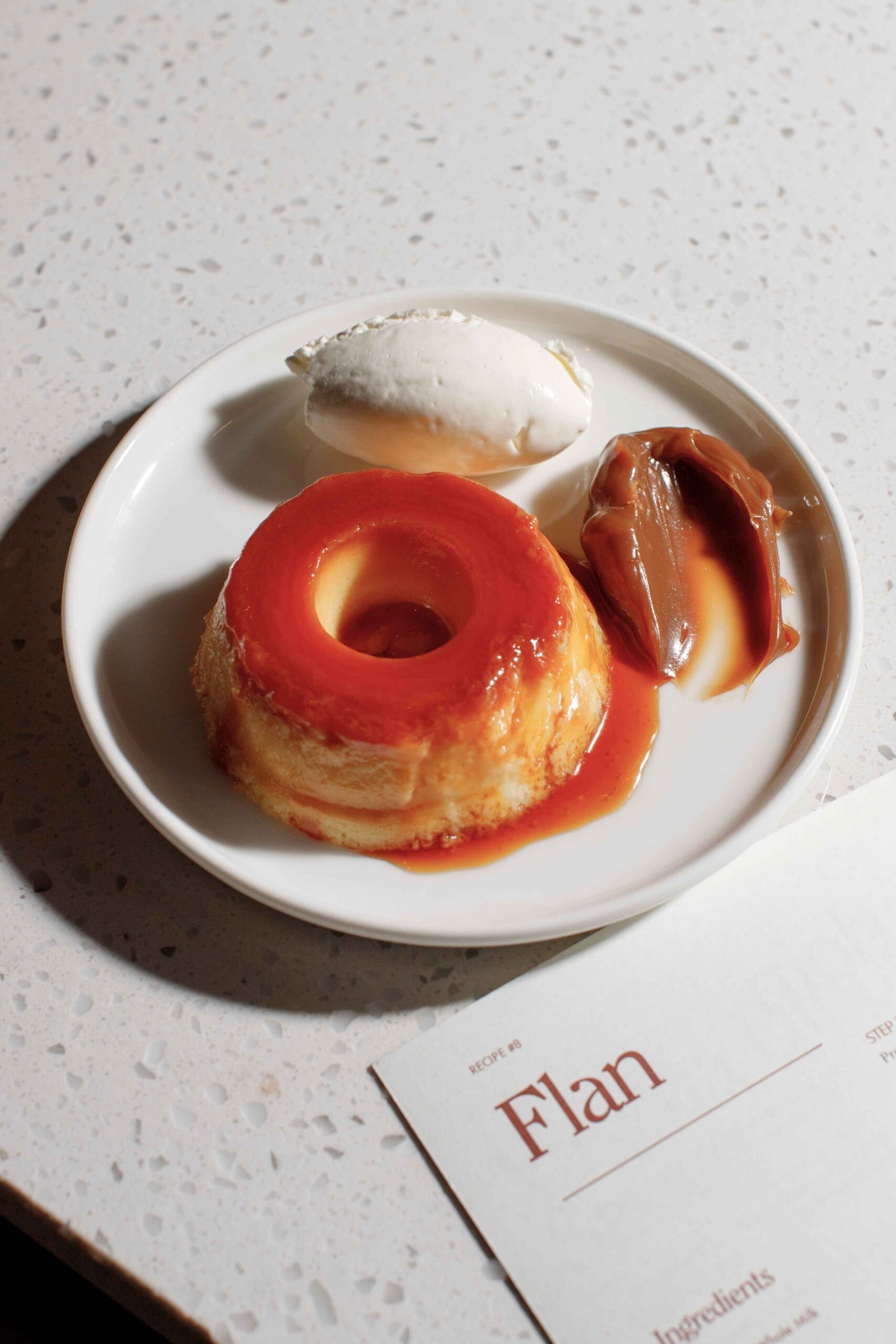
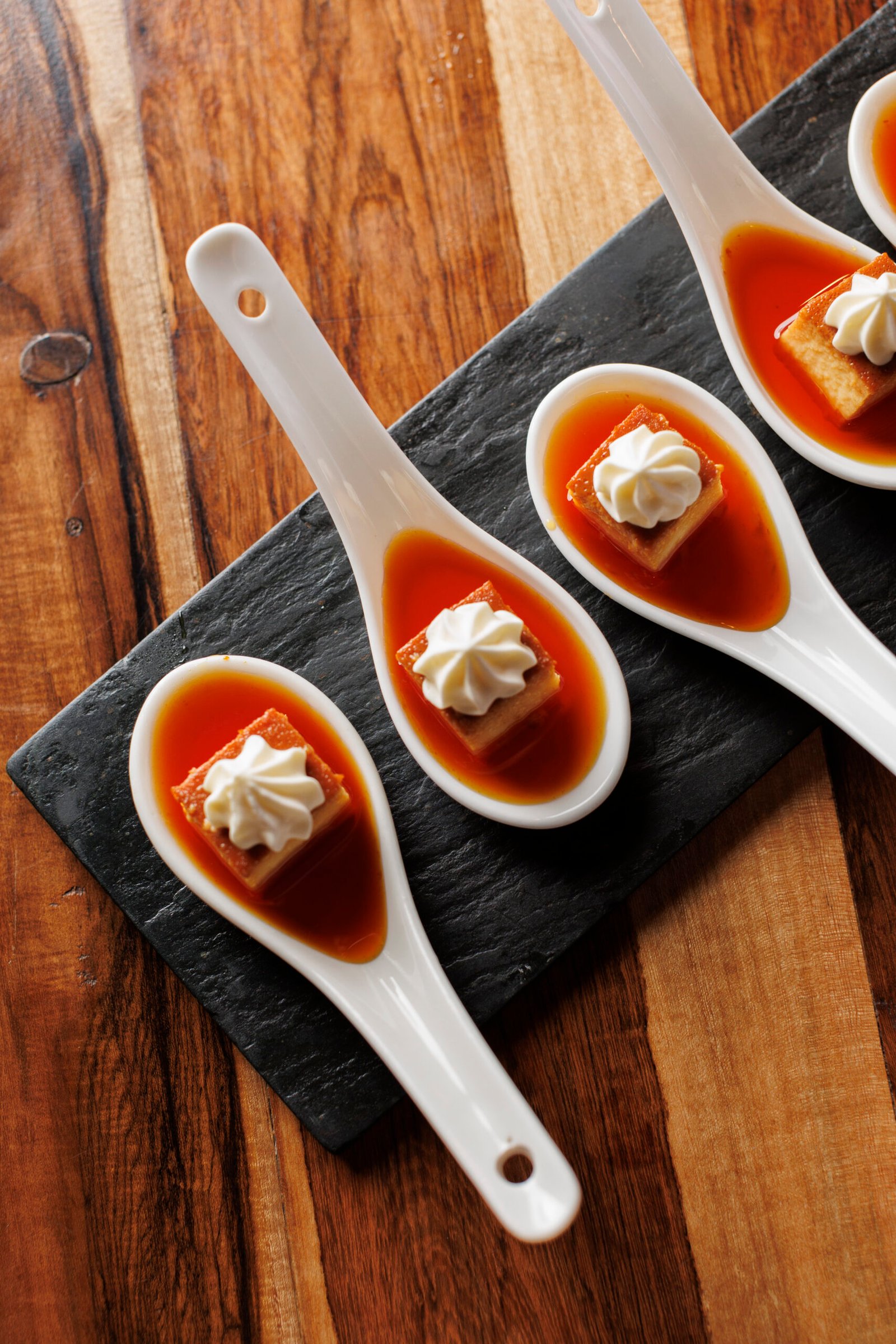
After a heavy steak dinner or a delicious milanesa a la napolitana, this is the non-negotiable finale. Flan casero is our version of crème caramel, but to eat it like a local, you must order it “mixto.” This means it arrives served with a generous dollop of whipped cream and a massive mountain of dulce de leche on the side.
We love this dessert so much that we feature it in two different ways. In our daytime Cooking Class, we teach you how to make the classic flan mixto (among many other local gems). However, during our dinner experience, we serve a unique Flan de Dulce de Leche, where the dulce is already integrated into the custard mixture itself for double the flavor impact.
Where to Try It All? The Argentine Experience
You can read about Argentine food all day, but why settle for reading when you can come prepare it and eat it yourself?
At The Argentine Experience, we don’t just feed you; we immerse you in the culture. We believe the best way to understand our national obsession is to get your hands dirty. Whether you are rolling up your sleeves to assemble your own messy alfajores at our dinner party or mastering the art of the perfect flan in our cooking class, we make sure you leave with a full stomach and a true understanding of what Argentine food is all about.