
Every traveler landing in Argentina has the same immediate instinct: asking for a dark, dense glass of Malbec. I understand the impulse perfectly. It is the deep, structured grape that put our soil on the global radar, and it deserves its fame. However, reducing your palate to a single variety means leaving a breathing map of vineyards entirely unexplored.
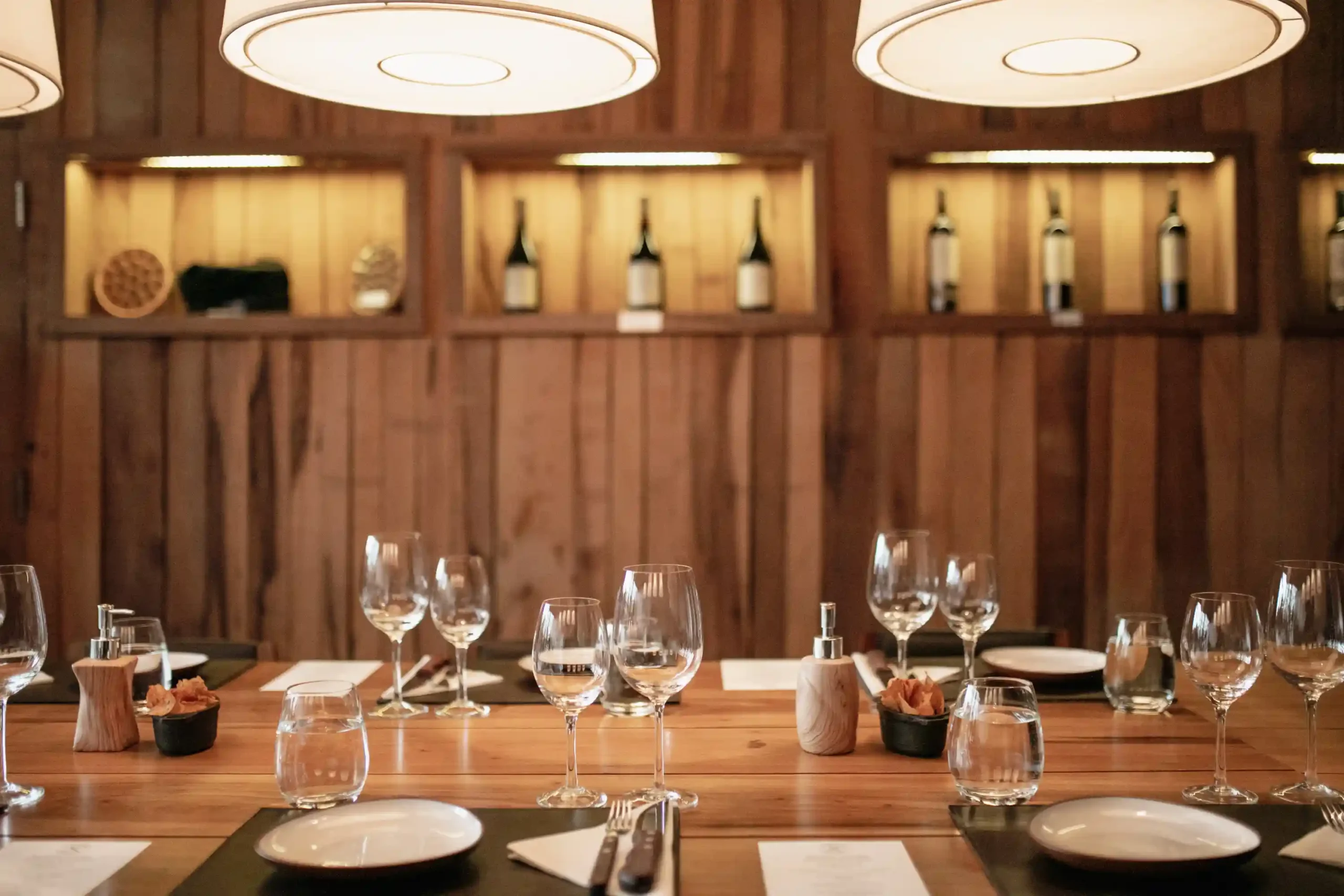
Going beyond Malbec to truly expose the root of argentine wine culture is exactly one of the key pillars of the multi-course dinner at The Argentine Experience. This space masterfully combines the movement of a journey, the absolute comfort of a local home, and an undeniable sensory awakening. The hosts design a cultural immersion rather than a clinical masterclass. If you are looking for a standard wine tasting in Buenos Aires, sitting quietly to take notes, you will find a completely different dynamic here. This is a communal table where the wine breathes alongside the food, glasses clink under warm lights, and the conversation flows naturally. Spoiler alert: I am about to break down exactly which glasses you need to try when visiting the country, and how this specific dinner guides you through that exact sensory map.
A Rebellious Welcome: The Unfiltered Pet Nat
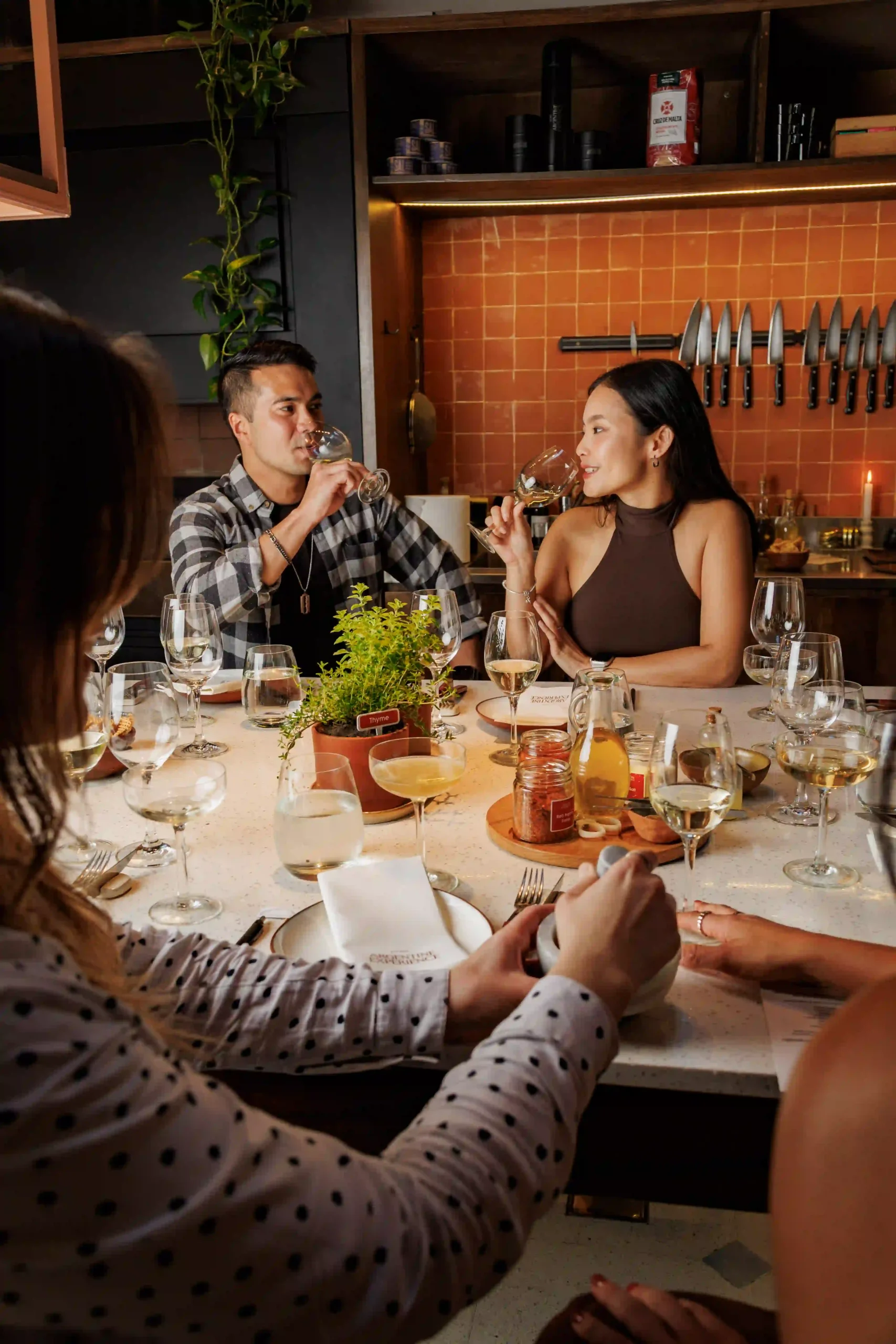
The first glass of the night breaks every expectation. Instead of the polite pop of a classic sparkling cork, you hear the sharp snap of a metal cap opening, exactly like a cold beer. It is a Pet Nat, a natural, cloudy wine that immediately shifts the mood of the dimly lit room. I was genuinely surprised by this pour. When it hits the glass, its pale, hazy liquid catches the warm light, casting soft, opaque reflections. You notice its raw texture right away. It is incredibly tasty, carrying a natural sweetness and an unfiltered body that feels deeply organic on the palate. I can assure you it made me feel instantly welcomed; there was nothing abrupt about this sip, it was… friendly.
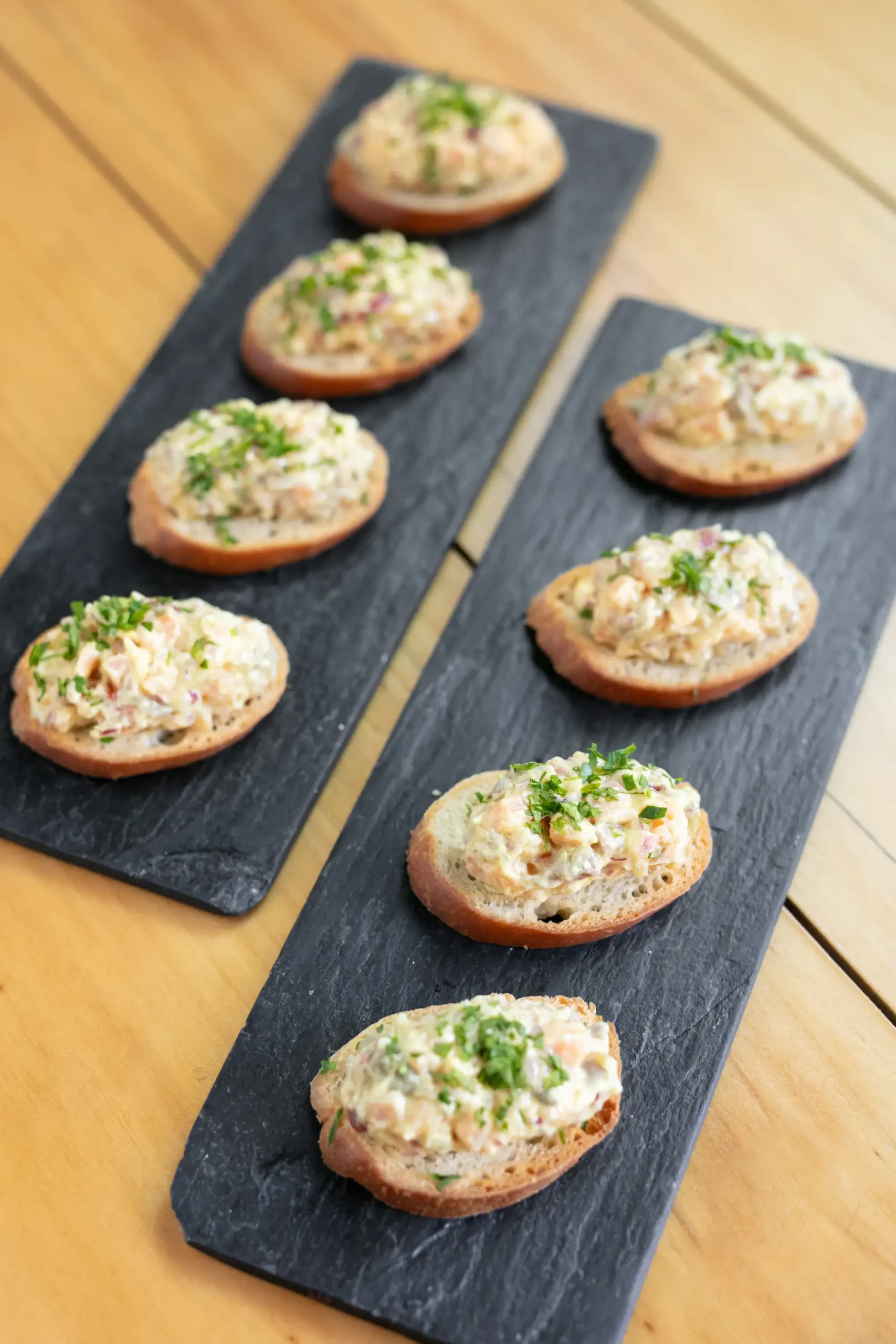
Choosing this over a standard reception drink is a brilliant move. Honestly, I am someone who gravitates toward white wines, so I can confidently say this was my favorite glass of the entire night. It works as a perfect, unpretentious icebreaker. The company for this pour? A Patagonian trout tartar that surprised me almost as much as the wine. The bright lemon marinade and the flawless mix of textures felt savory, precise, and wonderfully balanced. It was an absolute match for the Pet Nat, awakening the senses for the rest of the journey.
The Native Torrontés
Our soil holds a staggering diversity, allowing each region across the country to produce entirely different varieties. We place a massive importance on young wines. In Argentina, we hate wasting a good resource. We have a popular saying for taking full advantage of a situation: we like to sacarle el jugo (extract the juice). Since our land gives us the perfect conditions to craft outstanding young harvests, we do exactly that. We take the opportunity. A great dinner does not always need to rely on heavy, aged reserves to make a deep impact. To prove this point, the hosts step back to the table to pour Torrontes, the only truly native grape of Argentina. Grown primarily in the high-altitude, sun-drenched valleys of the north, it carries a rich history and a highly characteristic flavor profile defined by a beautifully aromatic, almost floral nose.
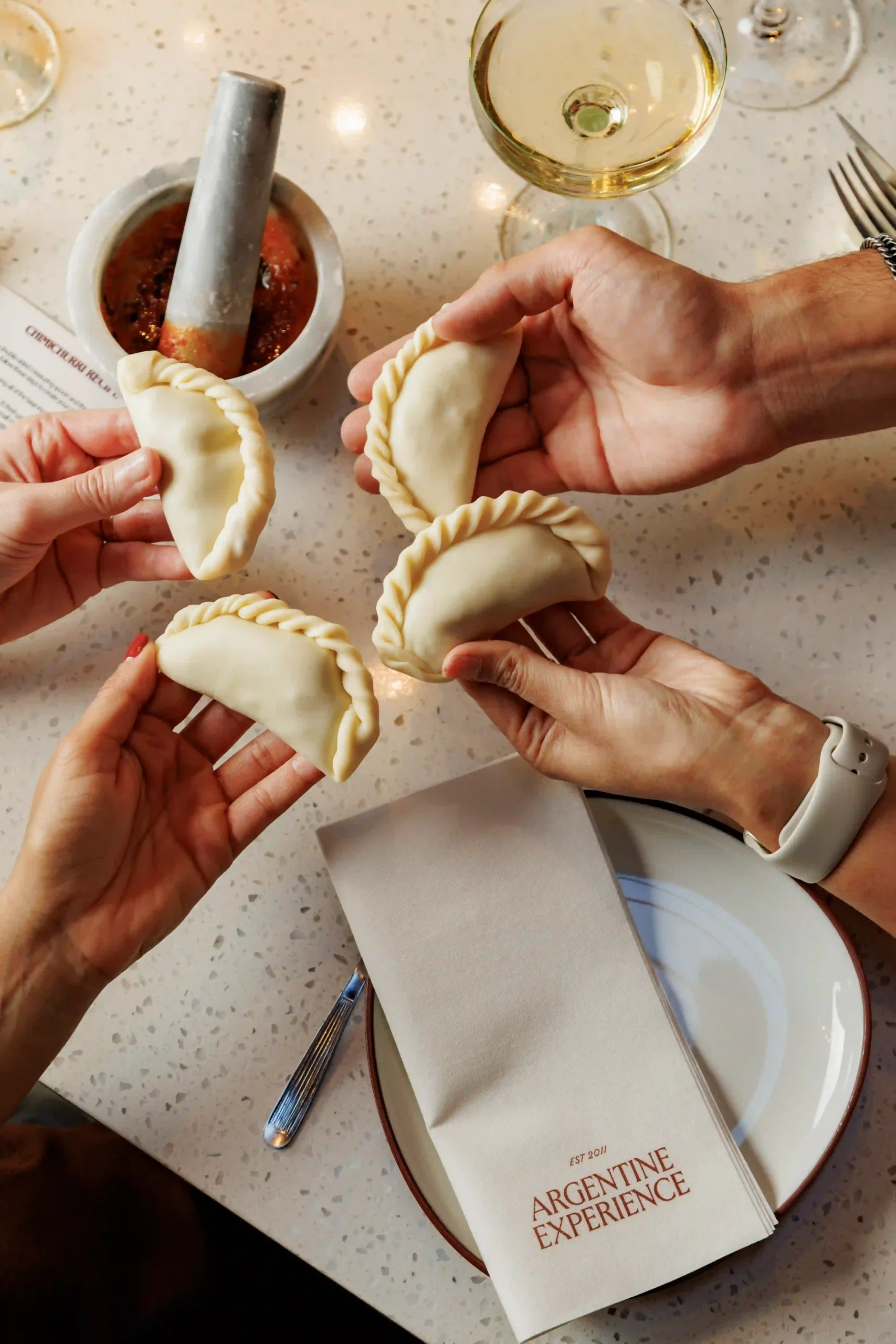
By the time this bottle arrives, the energy in the room takes a fantastic, hands-on turn. We are actively learning how to fold and seal our own empanadas, and mixing fresh herbs and spices to create a proper chimichurri. Watching the wine pour amidst this lively dynamic is a visual treat. The liquid catches the warm light, revealing a beautiful pale yellow tone that flashes with subtle greenish and golden reflections.
What i like about Torrontes is that it tricks your senses in the best way possible. It strikes the palate with a sharp, fresh citrus burst, yet it immediately mellows out into a comforting sweetness. It is a brilliant, well-rounded choice that prepare the guests for the next stage of the meal.
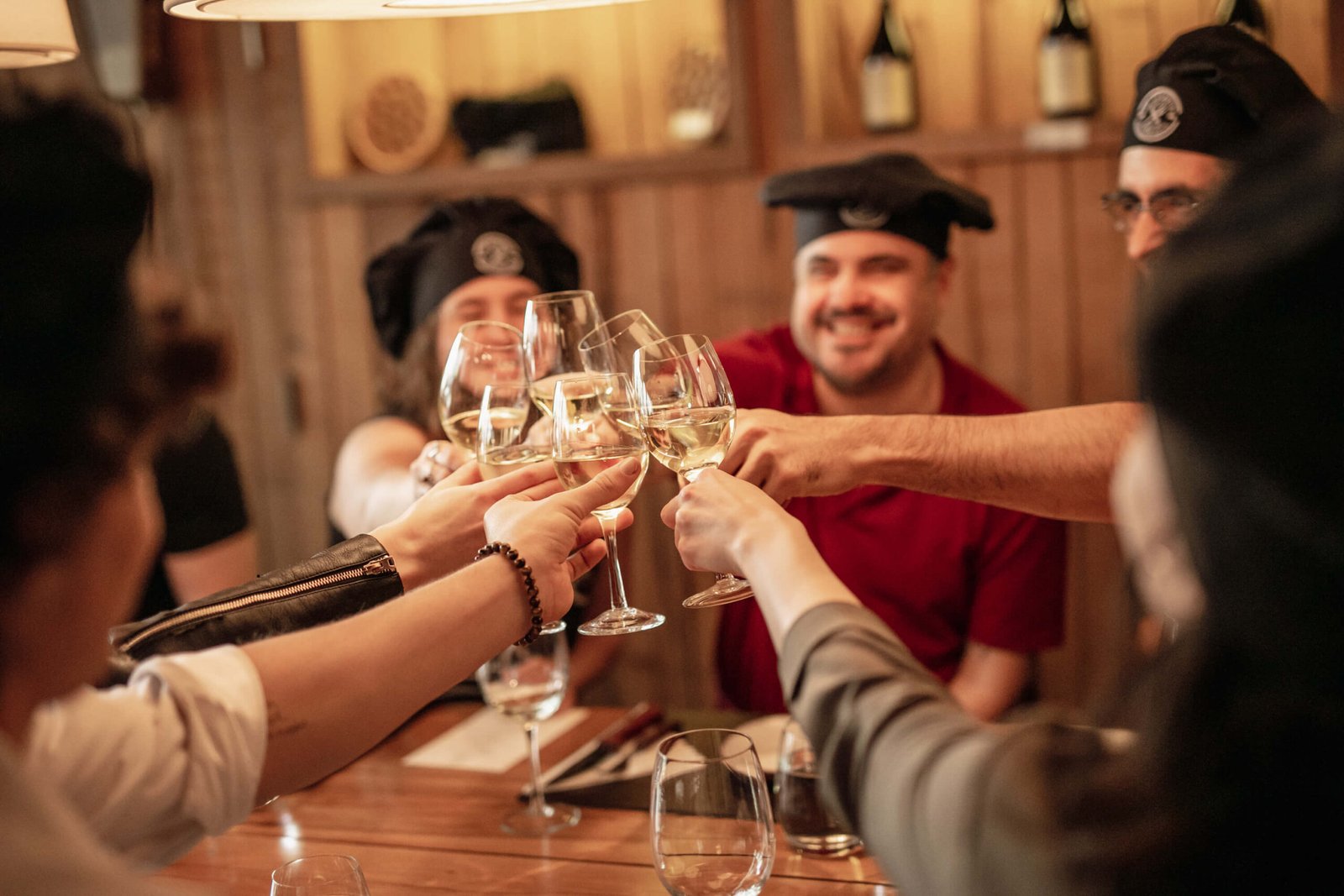
The Coastal Surprise: Pinot Noir from Buenos Aires
There is an unspoken assumption among travelers that every single bottle of Argentine wine comes from the high altitudes of Mendoza. That province undeniably produces spectacular things, but assuming it holds a monopoly on our vineyards is a mistake. I love shattering that illusion, and the hosts at The Argentine Experience clearly share my passion. Right before the main course takes over the table, they pour a Pinot Noir with a completely unexpected origin. It comes from the province of Buenos Aires, heavily influenced by the Atlantic Ocean.
Nobody anticipates a coastal pour in the middle of this dinner. The diverse geography of our country allows winemakers to plant vines near the sea, capturing a radically different expression of the terroir. Bringing the glass to your mouth reveals a crisp, fascinating freshness. The proximity to the cold oceanic winds gives the wine a distinctive lightness and a delicate fruit profile that dances on the tongue.
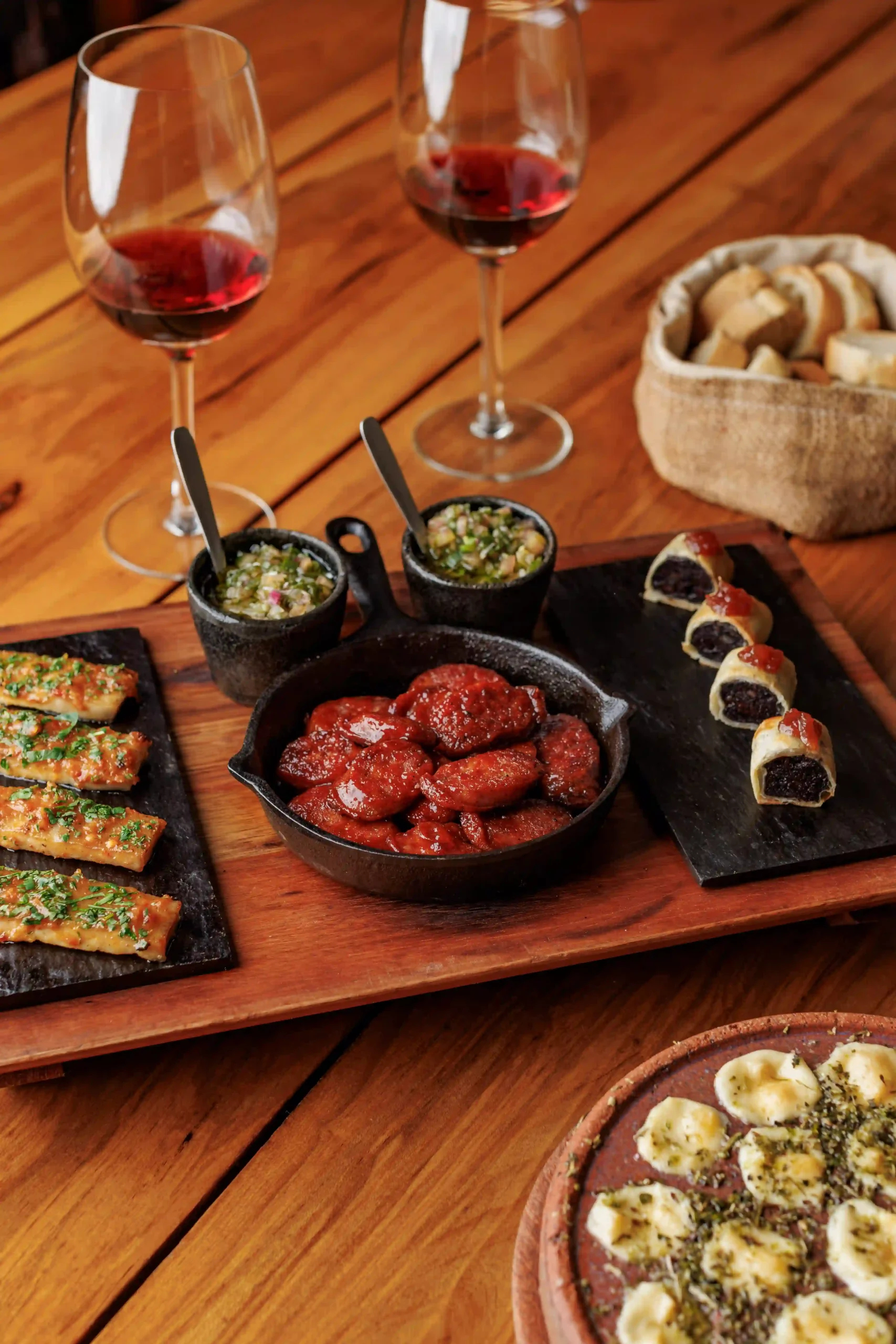
This glass serves as a highly strategic bridge. Right as they pour the Pinot Noir, a beautiful spread of plates hits the table: savory chard fritters, warm farinata chickpea flatbread, sizzling chorizo sausage, and perfectly crisped pork flank steak.
Just as the hosts anticipated, this is a taste of home and the rich smells instantly transport you to a classic local family gathering. I still have a splash of Torrontes left in my glass, so I quickly ask the staff to leave it right where it is. I loved it too much to let it go. While the hosts design a precise pairing for every single plate, I decide to play around and alternate between the two. The crisp coastal red cuts beautifully through the deep, fatty juices of the pork and the chorizo. Meanwhile, my remaining white wine still works perfectly alongside the fritters. Serving this specific Pinot Noir is a perfect detour on our map, proving that Argentina has endless hidden corners waiting to be tasted.
Two Faces of a Classic: The Argentine Malbec
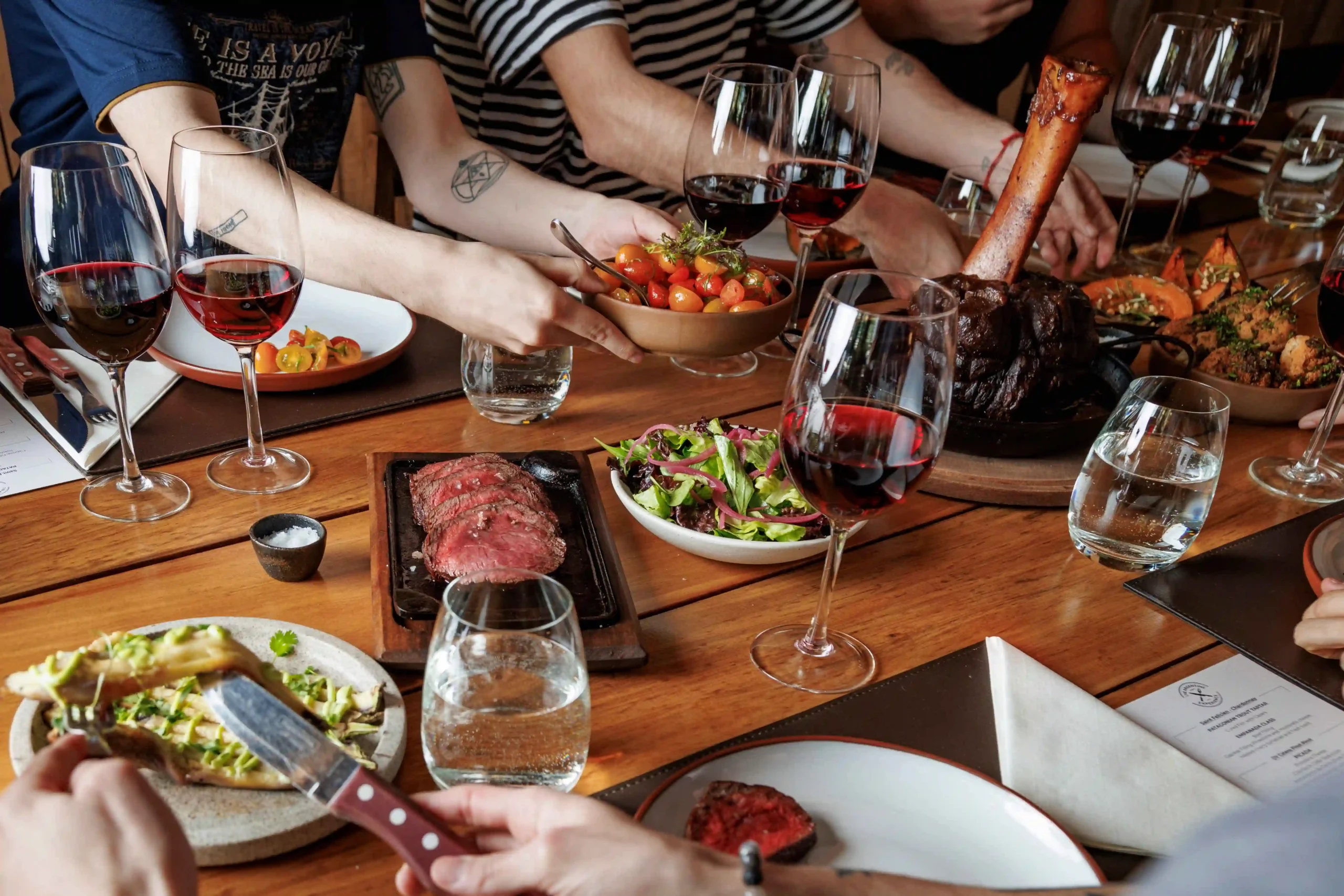
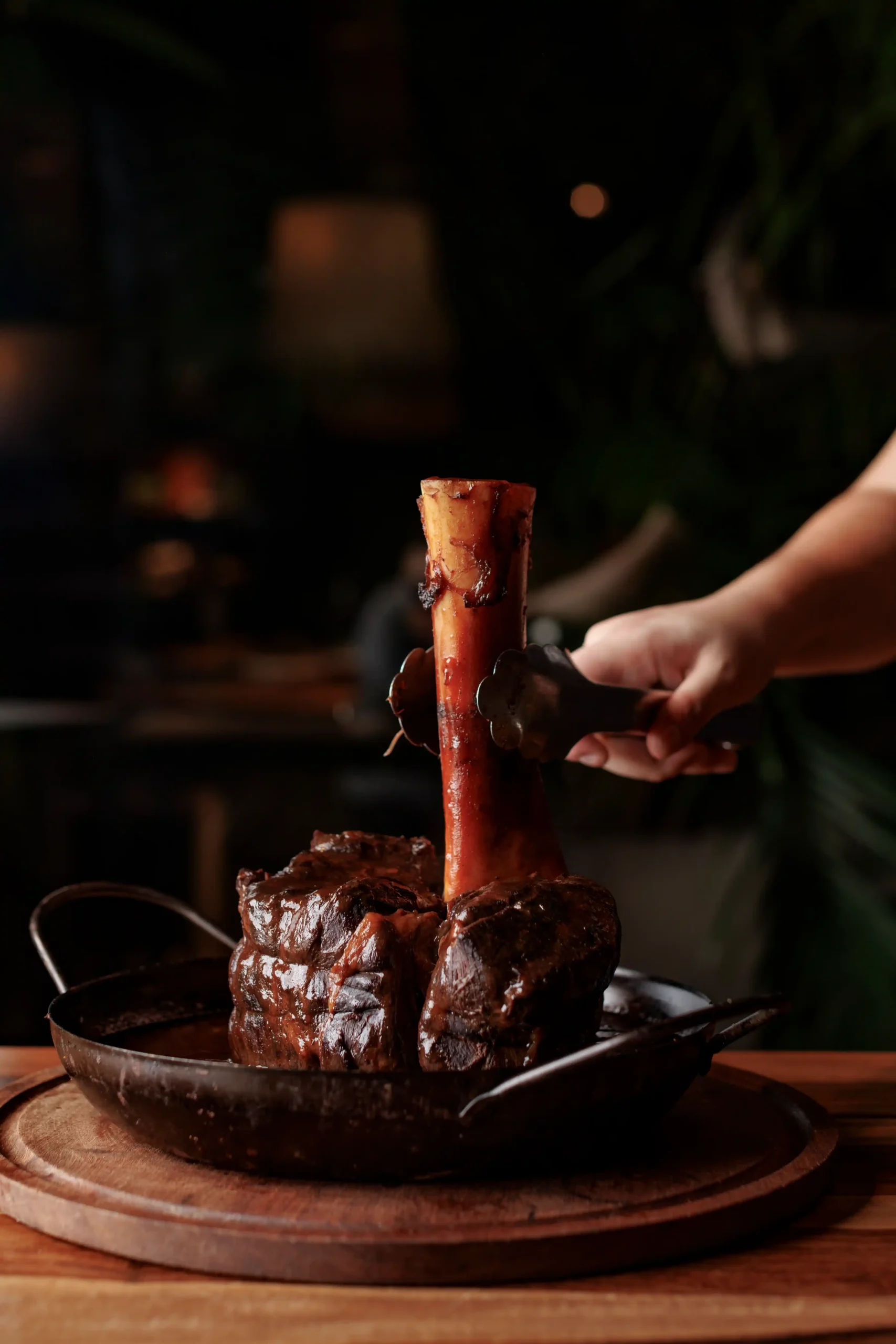
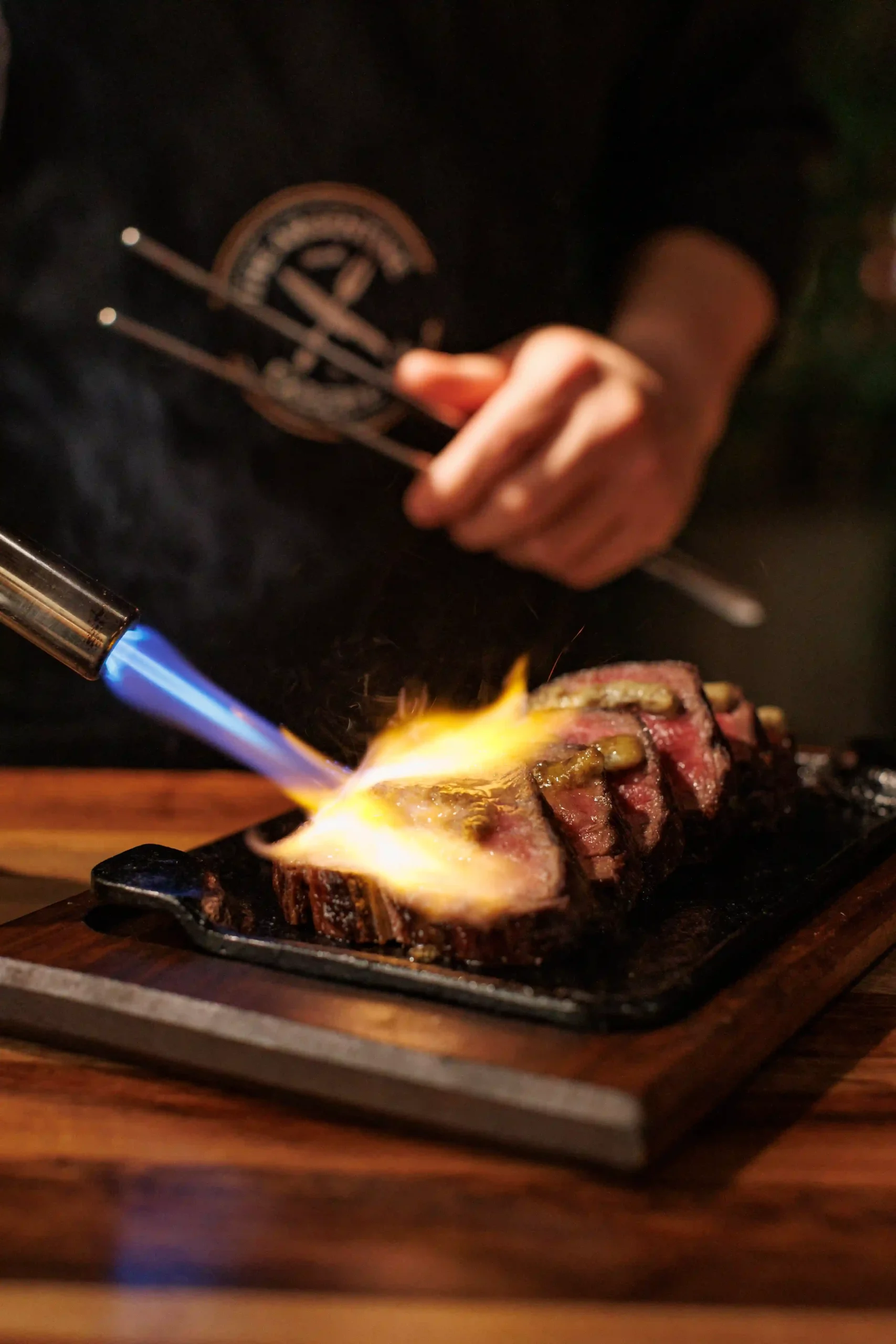
Reaching the climax of the night brings a bittersweet feeling. I always feel a slight pinch of nostalgia because the main course signals the final savory chapter of the dinner, but I am simultaneously thrilled by the incredible flavors we have tasted so far. The table is cleared to make room for a spectacular Beef Tasting, and the sensory experience steps up immediately. The staff brings out a tenderloin and puts on a literal mouth-watering show right at the table. They use a blowtorch right in front of us to finish cooking the meat, letting the intense flame slowly melt a luscious mushroom butter completely over the cut. You can hear the roar of the fire and smell the rich fats caramelizing instantly. Right next to it sits a slow-braised Osso Buco. This cut demands absolute patience. After hours of slow cooking in a deep Malbec reduction, the meat completely falls apart at the mere touch of a fork.
A massive banquet of side dishes surrounds the centerpieces. Bowls filled with fresh salads, earthy Andean potatoes, and intensely smoky fire-roasted eggplants cover every empty spot on the tablecloth.
By the way, if you want to dive deeper into how to understand and order our local steaks like a true insider, I highly recommend checking out our complete guide on argentine meat cuts.
The entire table is perfectly set up for a great glass of argentine malbec. This is the exact moment to understand why this specific grape became so wildly famous here. Malbec actually has a fascinating underdog story. Back in Europe, it was considered a fragile grape, mostly relegated to blending because it struggled with the cold climate. But when those vines touched our soil and soaked up our intense sun, the grape completely transformed. It found its perfect home, growing into a structured, deeply flavorful powerhouse.
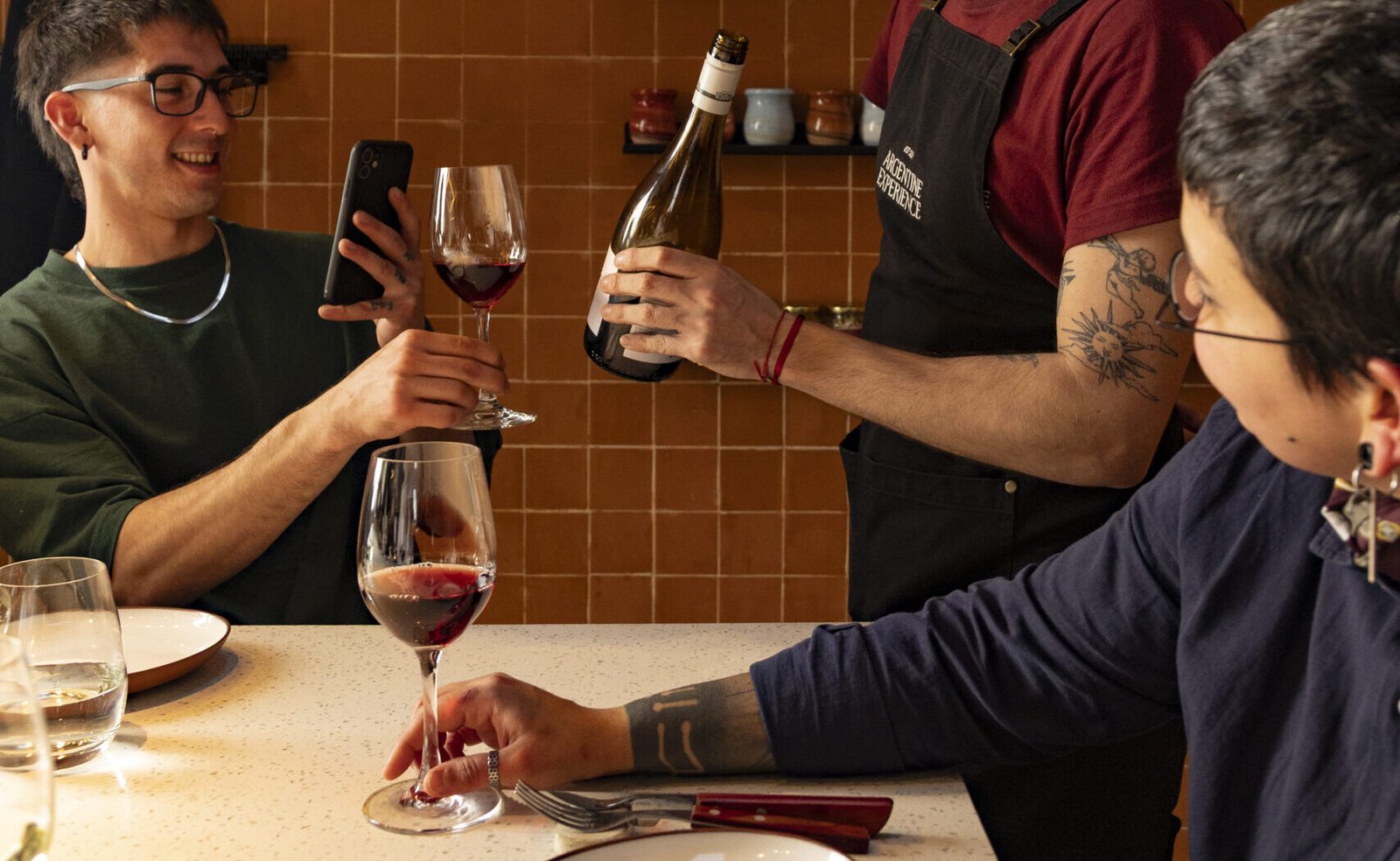
To match the heavy, rich flavors of the food, the hosts pour two contrasting expressions of this classic, doing it sequentially to accompany the evolution of the meats. First, they pour a Zuccardi, made entirely without wood. It hits the palate with a raw, pure expression of the dark fruit, cutting beautifully through the rich mushroom butter of the tenderloin. Later, as we dig deeper into the dense Osso Buco, they bring out the second pour. It is a Catena Zapata, crafted through the traditional oak-aging process. The smoky, complex notes of the wood wrap around the deep juices of the meat reduction and the fire-roasted eggplants perfectly. The golden rule of this table becomes crystal clear: nothing overshadows anything else. The food and the wine lock together naturally, pushing every single flavor higher.
A Complete Journey Across the Argentine Map
As the sweet, caramelized aroma of our traditional dulce de leche desserts signals the end of the meal, a beautiful realization settles over the room. Spending a few hours at this communal table feels entirely different than visiting a standard restaurant. Our country has a massive, intimidating map, and exploring every single region physically would take a lifetime. Yet, the deep expertise of both the chefs in the kitchen and the hosts in the dining room brilliantly shrinks that geography.
The chefs masterfully bring the absolute best traditional meals of the country to your plate, while the hosts guide you through the exact glasses that elevate those specific dishes. I can confidently say this is absolutely not a formal wine tasting. You are getting something much richer. You get to eat the best Argentine food and taste the most representative vines in a single sitting. The lights dim slightly, the last drops of Malbec are poured, and the conversation flows easily among new friends. I highly recommend securing your seat at The Argentine Experience to live this full immersion yourself. Come sit at the table, share a meal, and let the real flavors of our soil surprise you.