Let’s be honest. For many travelers, seeing blood sausage (or morcilla) on an Argentine menu feels like a high-stakes challenge from a reality TV show. It’s dark, it’s mysterious, and the name “Blood sausage” alone carries a weight that can make even the bravest foodie hesitate.
But for us, the story is different. Most Argentines grew up eating it at Sunday family gatherings long before we ever asked what is a blood sausage actually. As kids, it was just that delicious, creamy, spiced treat that tasted amazing on a piece of crusty bread.
Then came the “day of discovery.”
For an Argentine child, finding out what’s in blood sausage is a rite of passage. It can be as disappointing as finding out your parents are actually Santa Claus, or discovering that Jell-O is made from animal cartilage. It’s that brief moment of “Wait, that is what I’ve been loving all this time?”
But here’s the thing: once the shock wears off, you realize you’re already hooked. We are so deeply rooted in this tradition that we are willing to defend it at any table. We don’t just eat it; we celebrate it. So, if you’ve seen it on the menu and felt that “fear factor” kick in, don’t turn away. We’re here to explain the blood sausage origin, its savory ingredients, and why it is a non-negotiable part of our culture.
Let’s Clear the Air: What is Blood Sausage Made of?
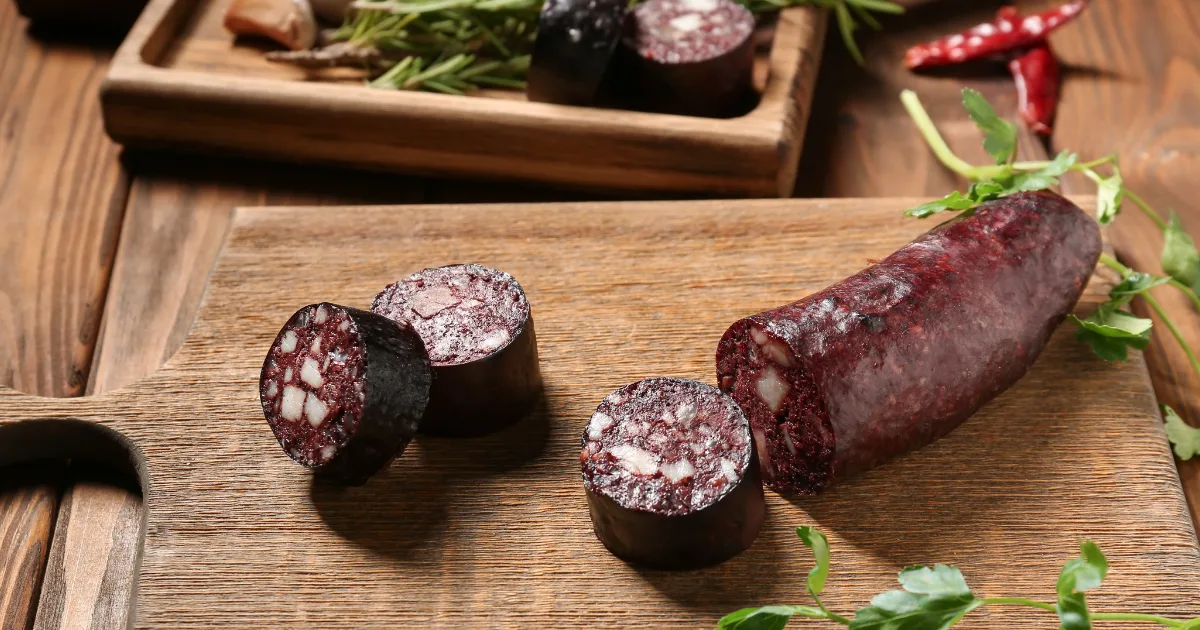
Okay, so we’ve addressed the elephant in the room. Yes, the main ingredient is pork blood. But if you think what is blood sausage made of is simply “a bag of blood,” you’re missing the point entirely. It isn’t just a basic sausage; it’s a meticulously crafted, spiced custard encased in a delicate skin.
The first thing you need to know is that the blood is coagulated and pre-cooked before it ever hits the grill. This process transforms the liquid into a solid, velvet-like texture that is safe, stable, and incredibly rich.
When we look at what’s in blood sausage, it’s actually a beautiful culinary balance. We aren’t aiming for a metallic or aggressive flavor; we are aiming for something rich, earthy, and melt-in-your-mouth creamy.
Here is what actually goes into the mixture:
- The Base: This provides the signature deep, mahogany color and serves as the binding agent. It’s what gives the sausage its rich, iron-heavy depth that pairs so well with bold red wines.
- Pork Fat: This is the “secret” to the creaminess. Without the fat, the sausage would be dry and chalky. When the fat melts over the charcoal, it transforms the inside into a smooth, pâté-like consistency.
- The Aromatics: This is where the magic happens. We use a heavy hand with green onion (verdeo), which cuts through the richness.
- The Spices: Forget the idea of a plain, dark lump. We use a precise blend of warming spices like cloves, nutmeg, cinnamon, and sometimes cumin. These aromatics lift the flavor profile, moving it from “animal” to “decadent.”
Unlike some international versions that use heavy fillers like rice or barley to bulk up the sausage, the traditional Argentine blood sausage we love tends to be “pure.” It focuses on the quality of the fats and the freshness of the spices. It’s not a science experiment, but a carefully balanced dish designed to be eaten slowly, piece by piece.
The “Basque” Influence: A Sweet Surprise
While most people expect a salty, savory bite, there is a very famous variation in Argentina: the Morcilla Vasca (Basque-style blood sausage).
This is my favourite one and if you see it on a menu, prepare for a twist. Influenced by the immigrants from the Basque Country, this version adds walnuts, raisins, and sometimes even pine nuts to the mix. It introduces a subtle sweetness and a crunchy texture that contrasts beautifully with the smokiness of the grill. It’s the perfect bridge for those who are still a bit hesitant about the traditional savory version.
If you like sweet and sour flavors and are willing to try different things, this variant is very tasty.
When and How Argentines eat Morcilla
In a traditional asado, the morcilla doesn’t wait for the steaks. It’s part of the first wave: the opening act that keeps the hunger at bay while the main cuts are still over the fire. It’s the inseparable partner of the chorizo, and they almost always arrive at the table together.
If you want to experience Argentine blood sausage like a local, here is how we actually do it:
The Best Friend of the Chorizo
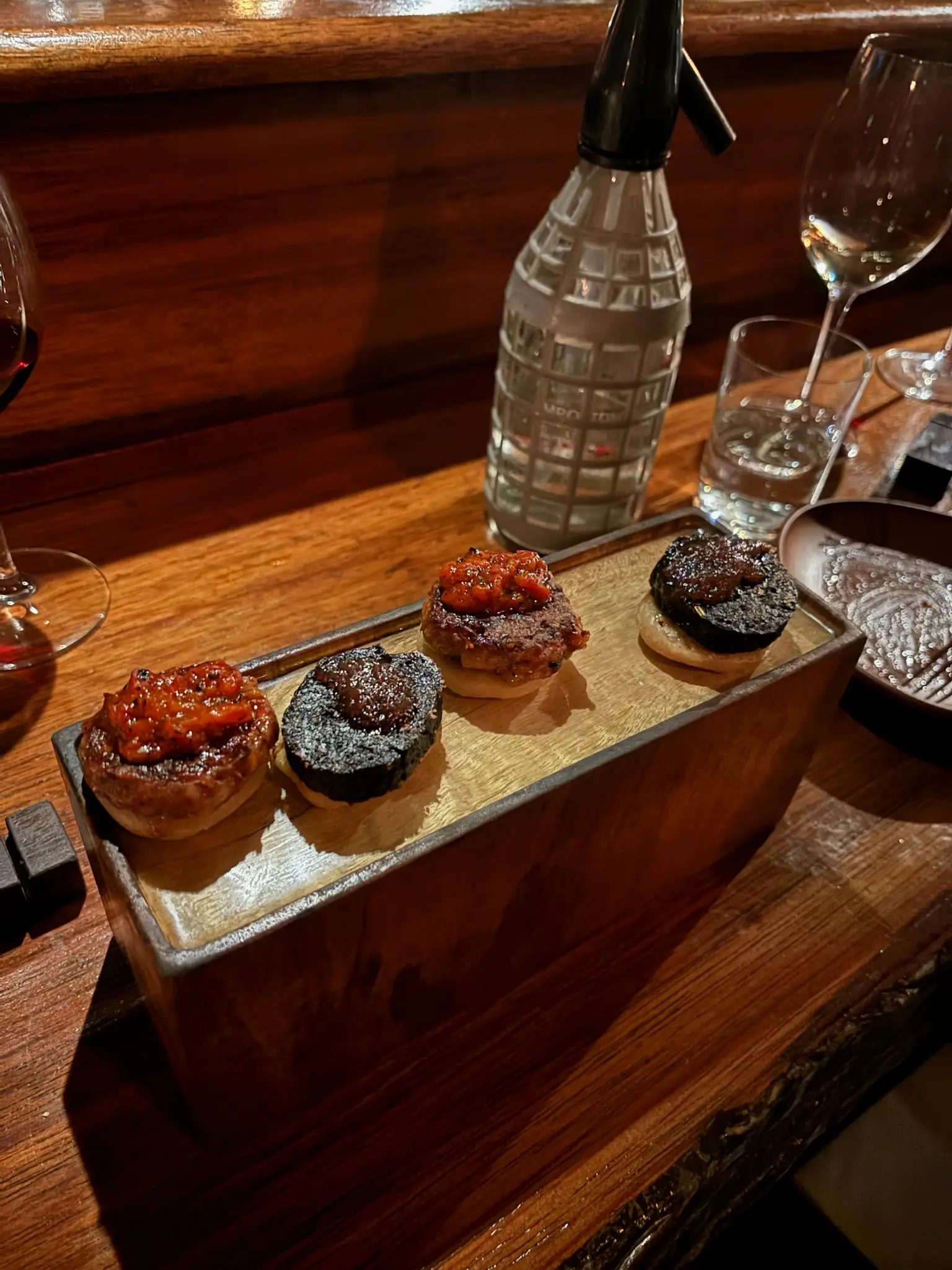
In every parrillada, you’ll see them side-by-side. While the chorizo is snappy and salty, the morcilla is soft and spiced. We often serve them together on a platter to “picotear” (snack) with pieces of crusty bread. You take a bit of one, then a bit of the other. It’s a really nice balance of textures and flavors.
On the Grill or “A la Tabla”
One of the most surprising things for travelers is that the morcilla doesn’t always need the grill.
- Grilled: We put it on the embers just long enough to warm the interior and get the skin a bit tight.
- Cold (The “Picada”): Because it is already a cooked product, it’s very common to see it served cold as part of a picada (a spread of meats and cheeses) before the fire is even lit. Sliced into rounds, it’s a savory snack that stands perfectly on its own.
Skin or No Skin?
This is where you see the “pros” in action. Do you eat the skin? The casing is perfectly edible, but many Argentines prefer to use it only as a container.
- The “Spread” Method: You take a warm morcilla, butterfly it open with a knife, and “empty” the creamy, spiced filling onto a slice of bread. It’s basically a warm, rustic pâté.
- The “Bite” Method: Others like the “snap” of the casing and eat it just like a regular sausage. There’s no wrong way to do it, but if you want to look like a local, spreading that warm, dark filling over a piece of baguette is the way to go.
Our Way of Honoring Pork: A Signature Take on Blood Sausage
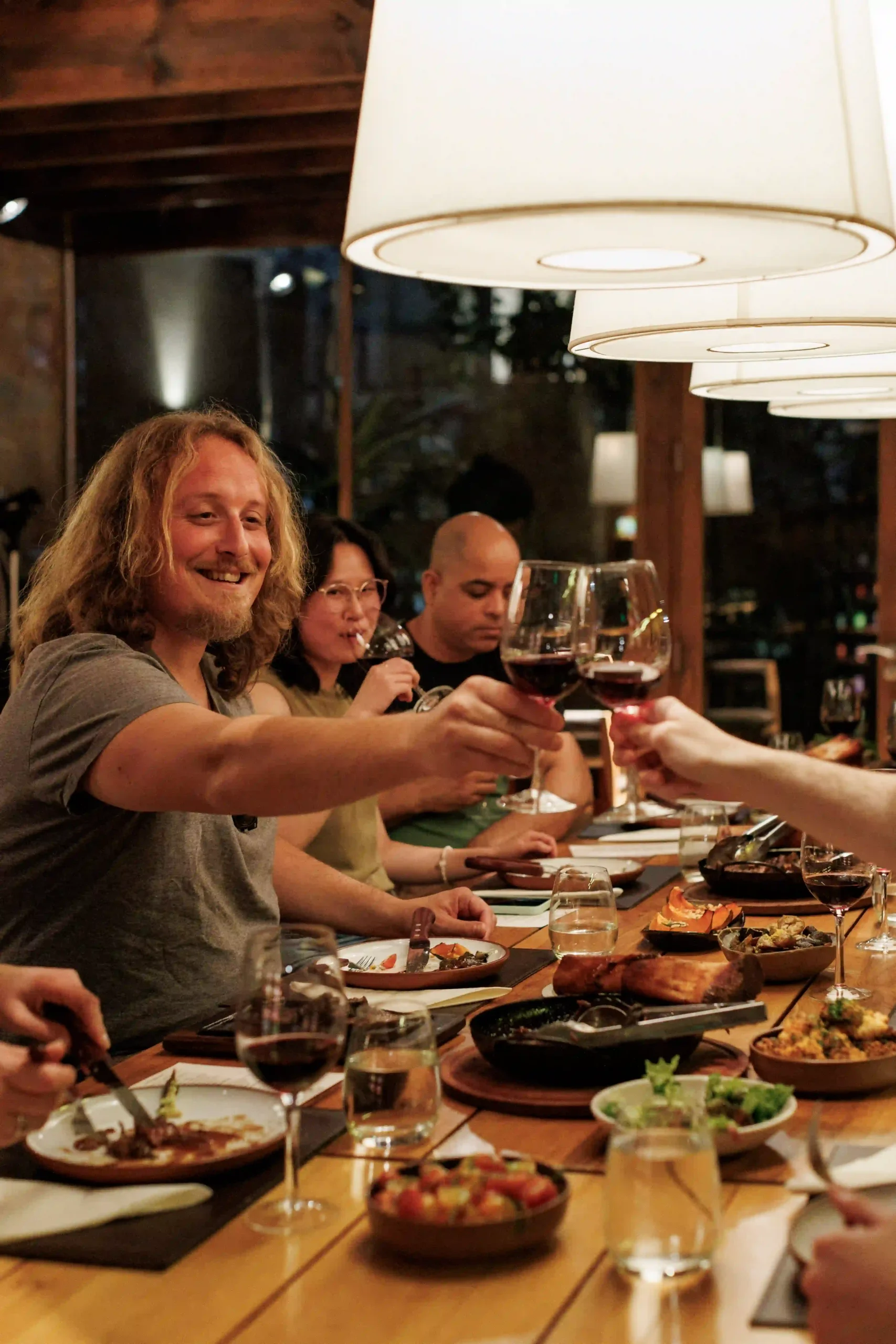
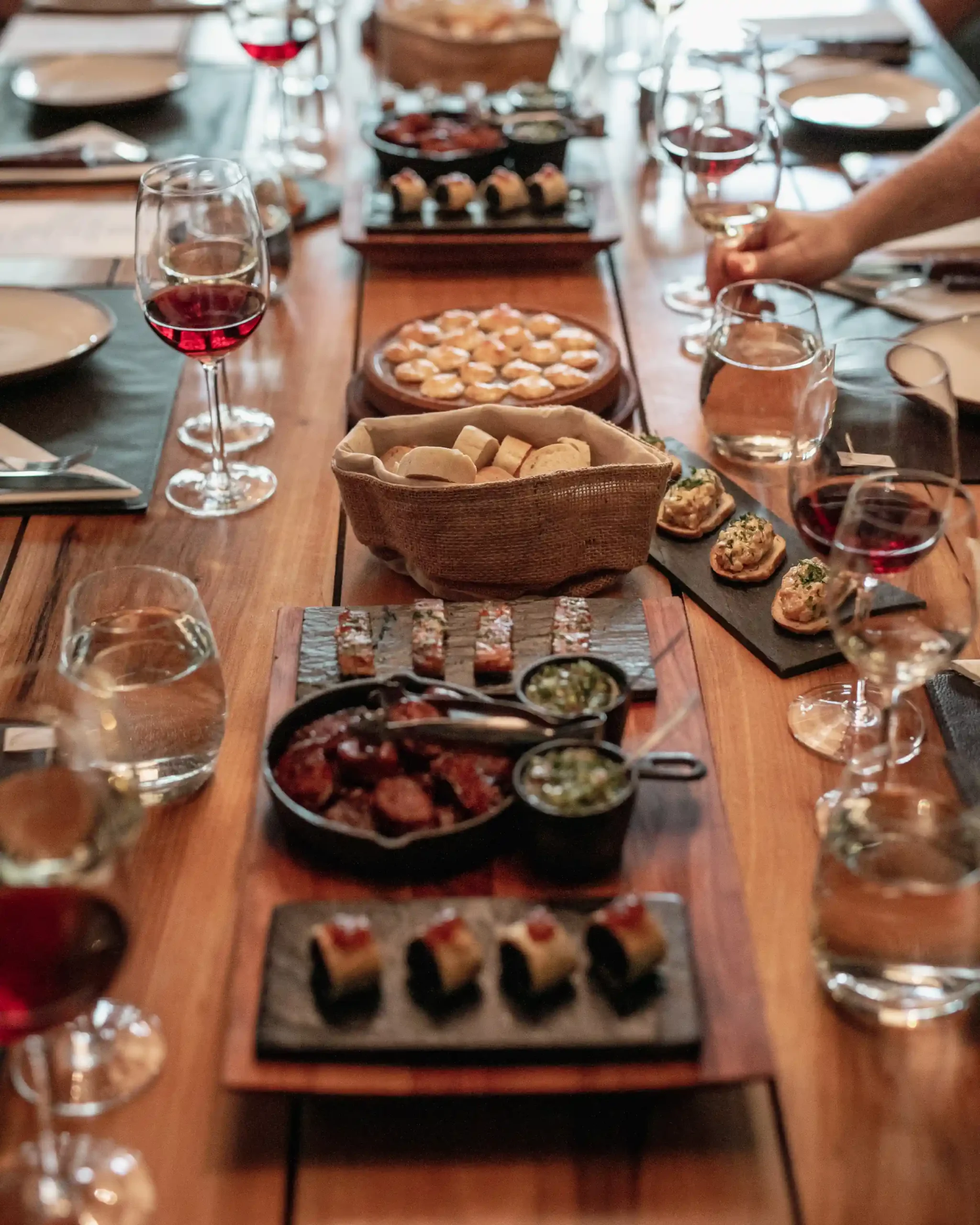
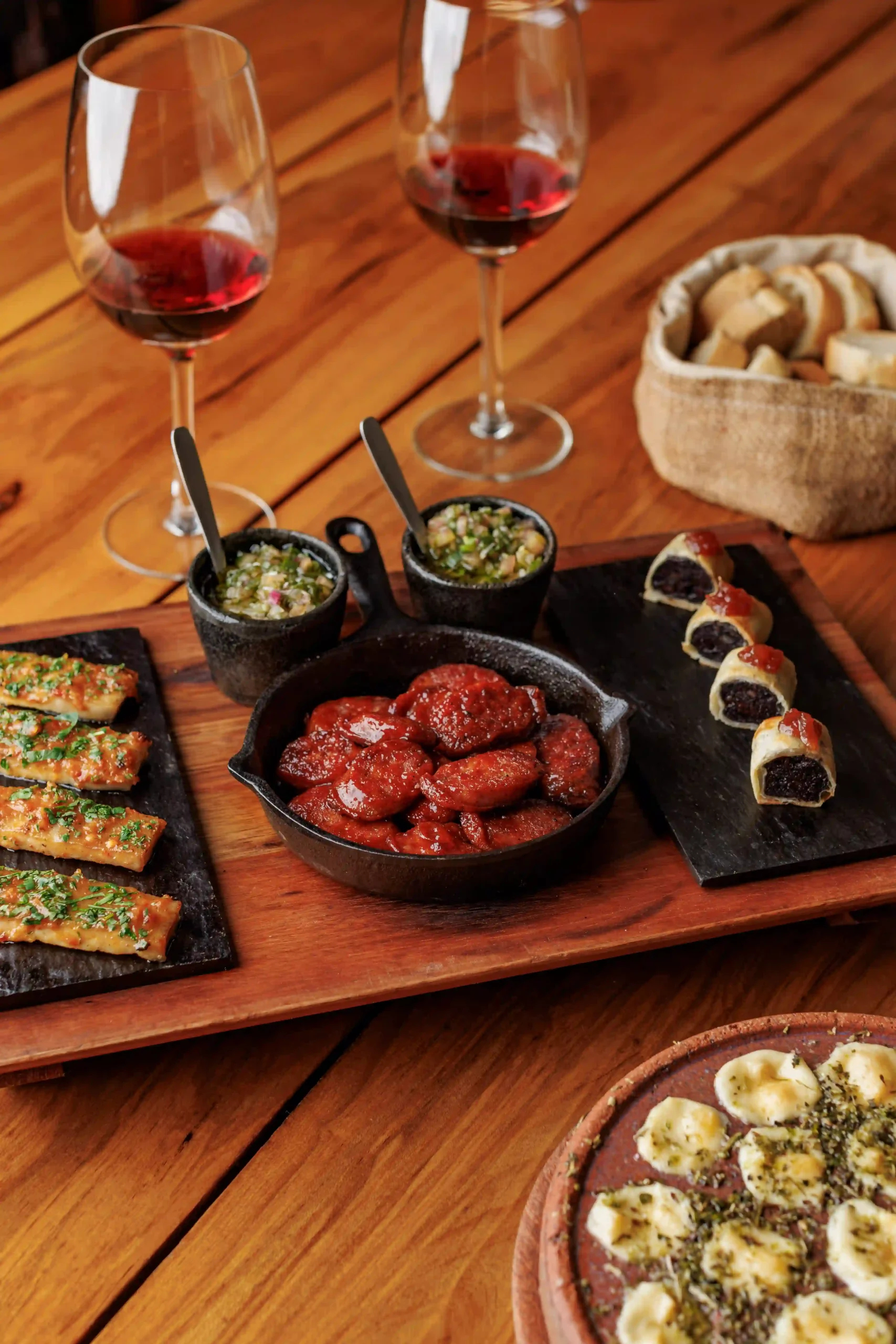
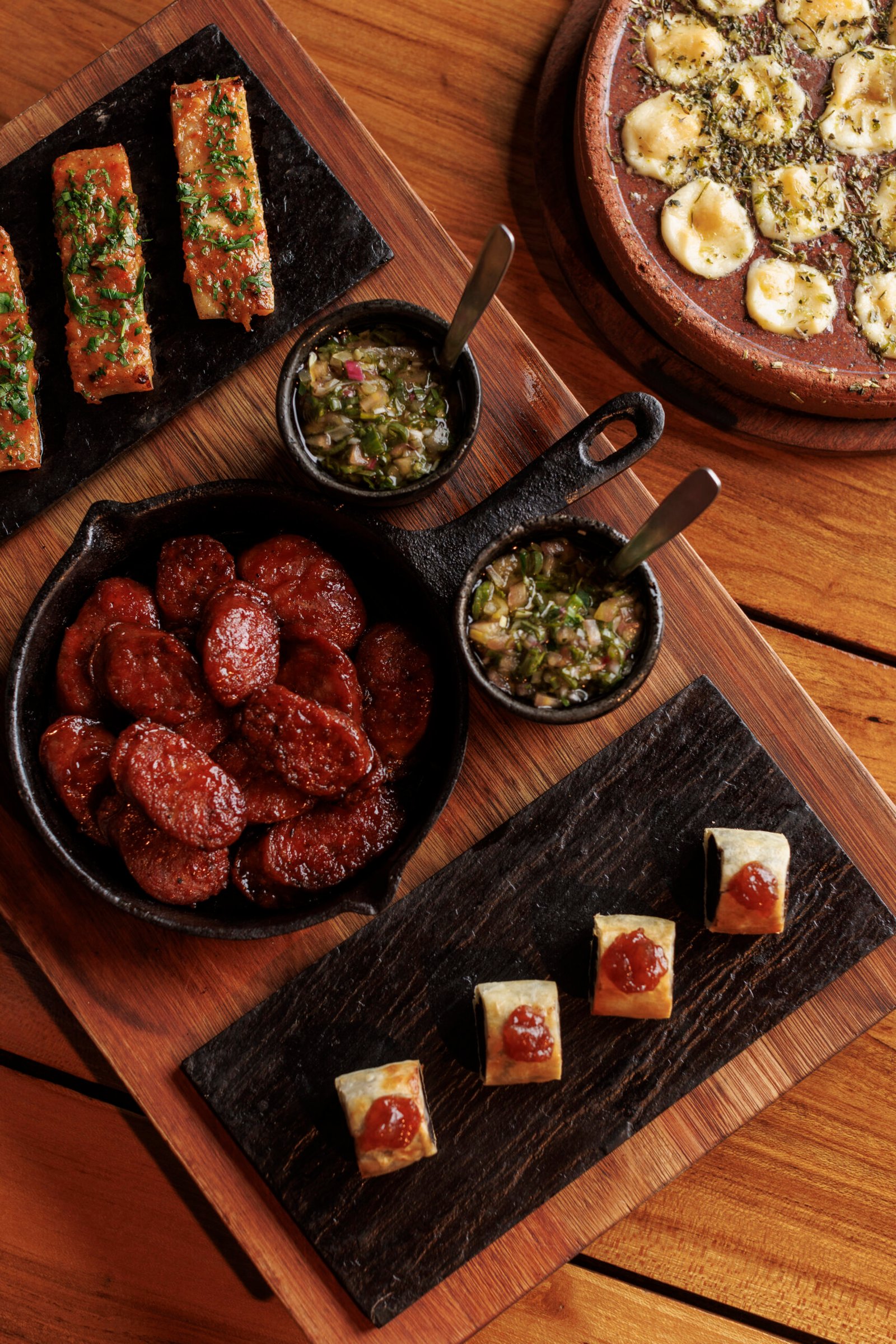
At The Argentine Experience interactive dinner, the chapter we call Homenaje al Cerdo (A Tribute to Pork) is perhaps the one that best reflects our identity as food lovers. This is where we present chorizo, matambrito, and blood sausage not just as ingredients, but as part of a cultural narrative.
We fully understand that blood sausage can cause surprise or even a bit of initial hesitation. However, as your hosts and culinary experts, we ask you to trust our vision. Our version is designed to break through those prejudices using balance and high-end technique:
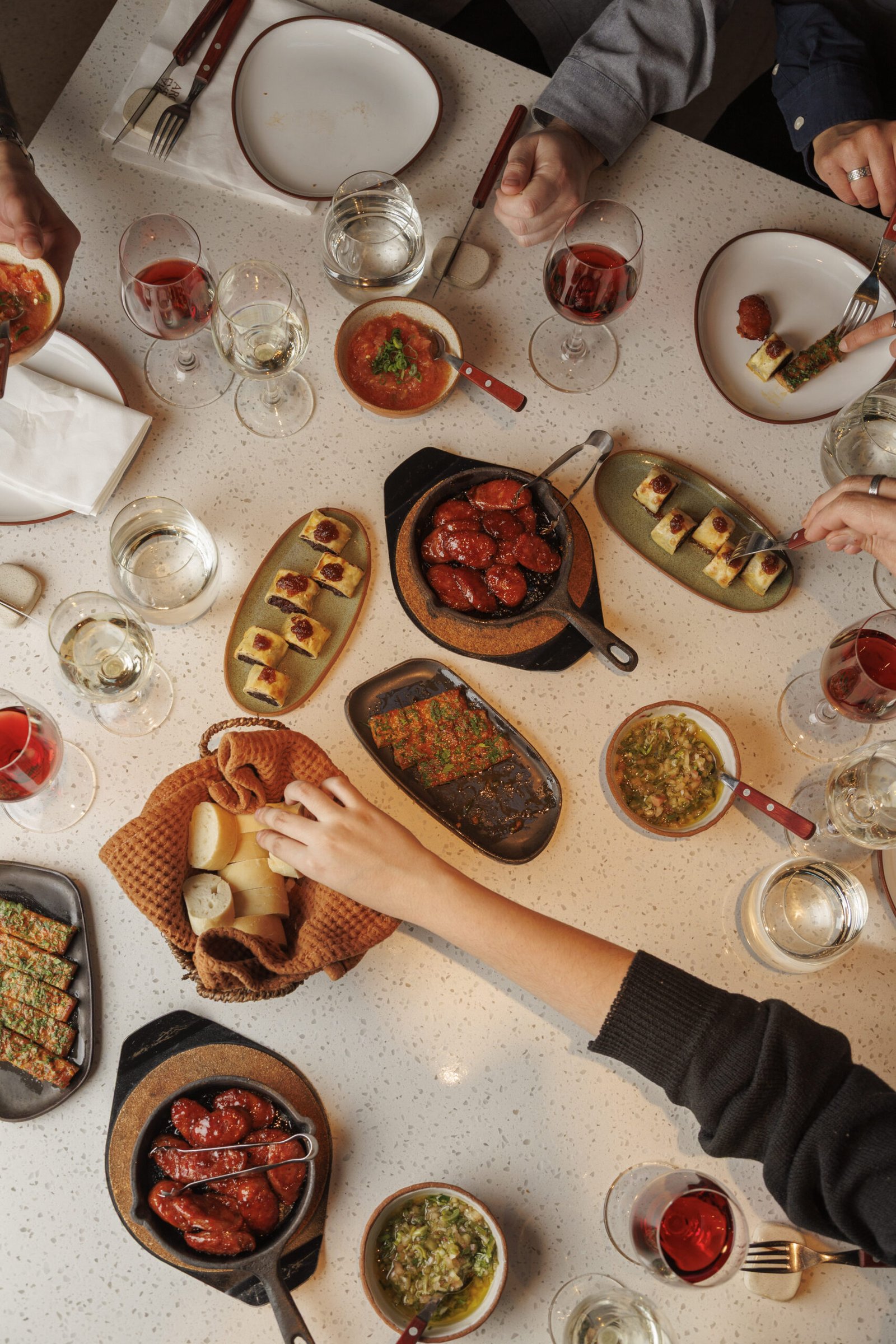
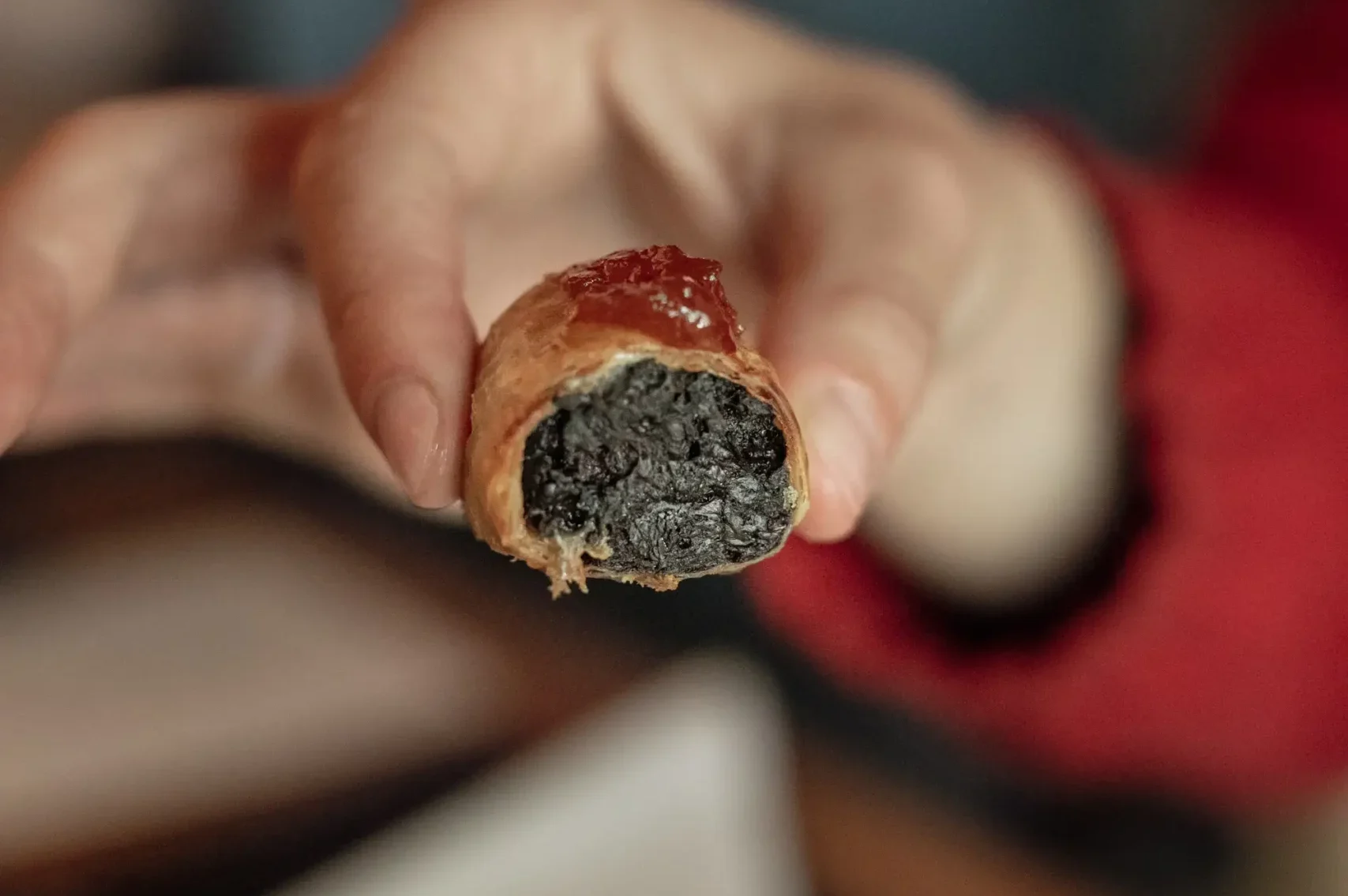
- The Pastry Wrap: We wrap a premium selection of Argentine blood sausage in a delicate, buttery puff pastry. When baked, it achieves a unique contrast of textures: the airy crunch of the pastry against the intense creaminess of the filling.
- The Sweet Counterpoint: We know the secret lies in the balance. That’s why we pair it with a homemade apple and quince chutney. The sweetness and acidity of the fruit balance the richness of the pork, creating a sophisticated and harmonious bite.
- Preparation and Safety: It is important to note that our blood sausage is fully cooked. This isn’t an “extreme food” challenge; it is a curated gastronomic piece where every ingredient serves a purpose.
We know our proposal might sound controversial to purists, but we are convinced it is the best way to introduce this legendary flavor to our guests. It’s an invitation to set aside the labels and simply enjoy the perfect combination of flavors.
The Argentine Experience: A Seat at Our Table
At The Argentine Experience, we believe that the best stories are shared over a meal. Our dinner is more than a tasting menu; it is an interactive journey through the flavors and social rituals of our country.
We know that ingredients like the one we’ve been talking about can feel like a “final challenge” for some travelers. That’s why we’ve curated a space where you can ask questions, learn the history, and understand the “why” behind our traditions. We invite you to move beyond being a spectator, and live the culture with us.
Frequently Asked Questions about Argentine Morcilla
What is blood sausage made of in Argentina?
As said at the beggining, the traditional Argentine blood sausage is a blend of cooked pork blood, pork fat, and a variety of aromatics like green onions. What makes it unique is the seasoning.
Is blood sausage safe to eat?
Absolutely. One of the most common misconceptions is that it is “raw.” In reality, morcilla is a fully pre-cooked product. The blood is coagulated and seasoned before it ever reaches our kitchen. In our experience, we bake it in a delicate puff pastry to ensure the perfect serving temperature and texture.
What is the difference between regular morcilla and Morcilla Vasca?
While the standard version is savory and herbal, the Morcilla Vasca (Basque-style) is a sweet-and-savory variation. It often includes ingredients like walnuts and raisins, reflecting the rich immigrant history of the Basque people in Argentina. I highly recommend this version if you have the chance.
Do I have to eat the skin of the blood sausage?
The casing is edible, but it’s a matter of personal preference.
Ready for the Ultimate Argentine Food Journey?
If you’re curious about the flavors that define our country, dive deeper into our Guide to Authentic Argentine Food. From the secrets of the grill to the stories behind our most iconic dishes, we have everything you need to eat like a local.
Ready to taste it for yourself? Experience the flavors, and the stories firsthand at our table.
Book Your Immersive Dinner at The Argentine Experience.