
What does asado mean in Spanish? Technically, and according to the RAE (Royal Spanish Academy), asado is simply “meat roasted on a spit or over a fire.” But if you ask me, or any other Argentine,we’ll say that it isn’t just a meal. It’s a moment. It is an event, a ritual, and our preferred way to celebrate anything: from a birthday to the end of a long work week or a soccer match with friends.
The Argentine asado is supported by two main pillars that give it its soul: the ritual and the meat.
To understand why we take this so seriously, you only need to look at the numbers. We are a nation built on beef; by 2025, total meat consumption in Argentina reached a staggering 116.4 kg per person/year. We eat more beef than almost anyone else on the planet, and that’s because our Argentine beef is exceptional. It starts in our vast pampas, where cattle are raised with a level of care that results in a product globally renowned for its marbling and flavor.
If you are visiting Buenos Aires, you likely have “eat an asado” at the very top of your list. However, we know it can be overwhelming. You might be asking: What is carne asada exactly? How do I order? Which Argentine meat cuts should I try? That is where we come in. At The Argentine Experience, we are your hosts. We are here to guide you through the culture of beef so you don’t just eat, but truly understand the significance of every bite. From the traditional backyard asado criollo to the high-end techniques we use in our dinner, we’ll show you what you really need to taste to say you’ve experienced Argentina.
What is an asado in Argentina? Is it the same as a BBQ?
To the untrained eye, the asado might look like a standard barbecue. But in Argentina, the sequence is sacred. An asado is a slow-burn experience that unfolds in stages, usually accompanied by wine (or a fernet if you’re feeling local) and good conversation.
As mentioned before, you don’t just eat an asado; but you go to an asado. It is the excuse to get together, and it comes with its own set of cultural codes. It’s a moment that is a bit playful, deeply friendly, and always warm. It’s where stories are told, jokes are made, and the world’s problems are solved around the heat of the embers.
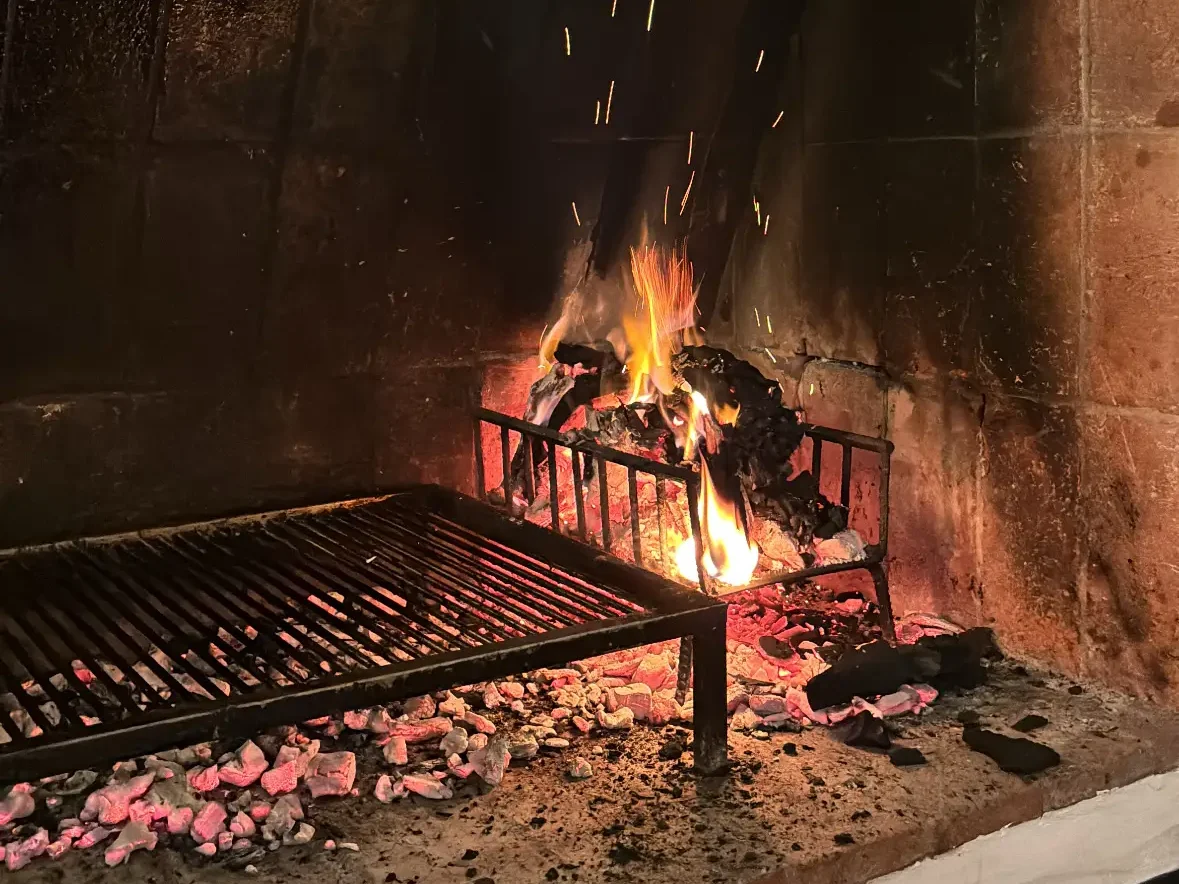
The Unwritten Rules of the Grill
While every family has its secrets, some things are non-negotiable:
- The One Master: There is only one asador. You might help with the salad, but you never, ever touch the fire or the meat unless invited.
- No Rushing allowed: If you are in a hurry, you are at the wrong house. An asado takes as long as it takes. The goal is to enjoy the process, the music in the background, and the chatting.
- The Standing Ovation: Once the meat is served, someone will shout, “¡Un aplauso para el asador!” and the room erupts in applause. It’s a sign of respect to the grill master.
The Never-Ending Feast: Course by Course
One of the most surprising things for travelers is how much we actually eat. In any other country, the items in a single asado would be spread across different meals. But here, they come out in waves. We start with the chorizo and morcilla, move to the achuras, then the matambre, and just when you think you’re full, the heavy hitters like asado de tira or vacío arrive.
It’s almost funny how we manage to fit it all in, but that’s the magic of the asado: the portions are small, the pace is slow, and the company makes you forget you’ve been eating for three hours straight.
Though we don’t offer a traditional asado experience, at The Argentine Experience, we honor this “wave-style” service. We want you to feel that same excitement of wondering “what’s coming next?” while maintaining the high-quality standards of our carefully selected Argentine meat cuts. We’ve taken the warmth of the backyard asado and refined it into a curated journey, so you can experience the ritual without feeling lost in the menu.
The Steps of the Ritual
- The Fire: The asador (grill master) starts the fire from scratch. This is a solo performance that requires patience; we never put the meat on the grill until the embers are white-hot and steady.
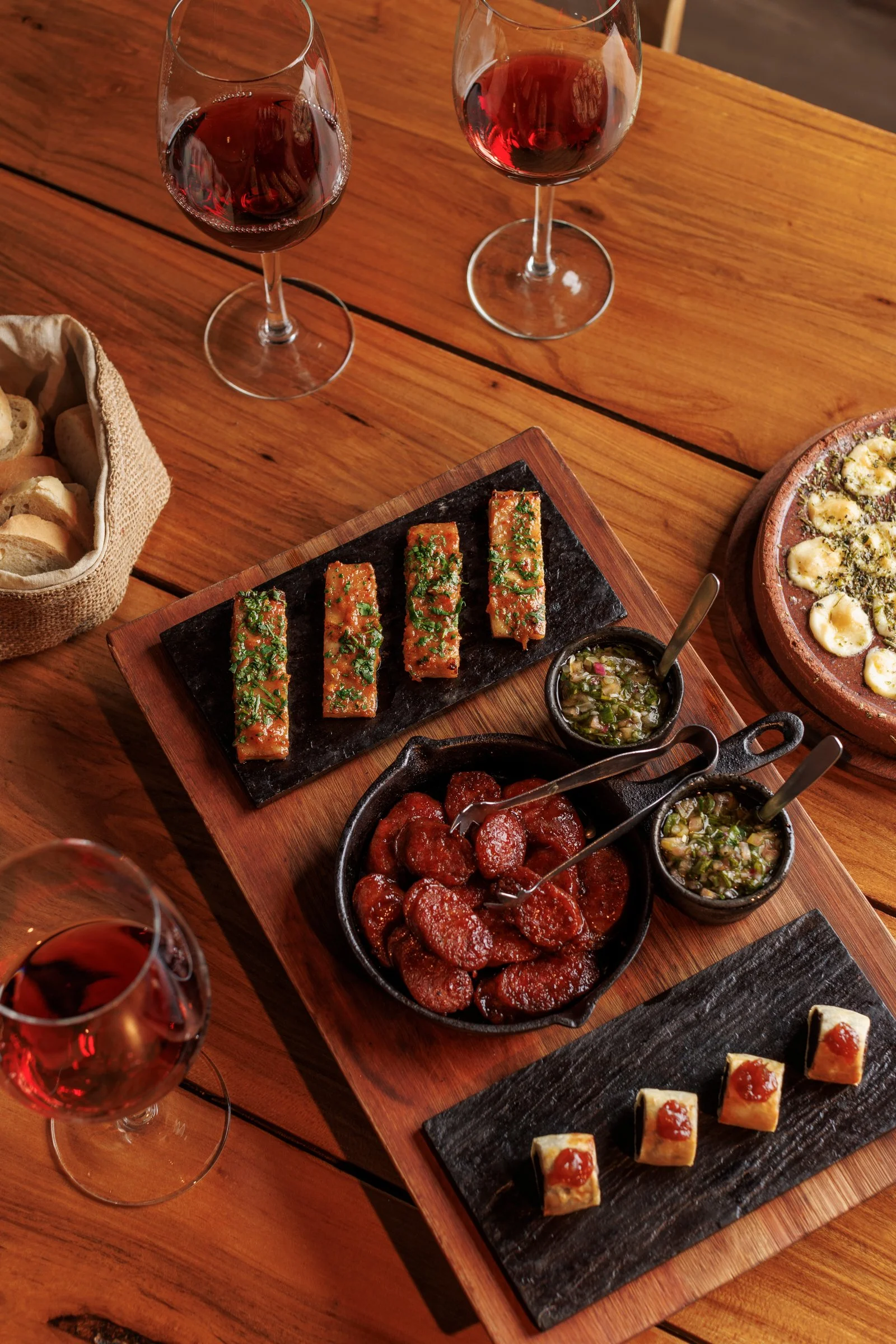
- The “Picada” & Achuras: While the meat cuts cook, we start with the starters (to be redundant). The picada is the informal opening act where a wooden board of local cheeses, salty salami, and olives serves as the perfect excuse to pour the first glass of wine and start the conversation while the asador works their magic. You aren’t “dining” yet; you’re just warming up the palate before the first aromas from the grill signal the arrival of the asado criollo starters. This first wave brings the classics: Chorizo (pork sausage) and Morcilla (blood sausage), often served with a dollop of chimichurri, followed by the Achuras. Among these, the undisputed star is the Mollejas (sweetbreads), which we grill until they are “crispy gold” on the outside and buttery on the inside, always finished with a generous squeeze of fresh lemon to cut through the richness.
- The Main Event: This is when the Argentine meat cuts like Matambre, Asado de Tira or Vacío arrive. These are the heavy hitters.
- The “Aplauso para el asador”: When the meat is served, it is tradition for the guests to clap for the person behind the grill. It’s a moment of gratitude for the hours spent tending to the fire.
Decoding Argentine Meat Cuts: The Must-Try List
When you walk into a traditional steakhouse, the menu can feel like a puzzle. In Argentina, we don’t just order “steak”; we order specific cuts that represent different textures, fat content, and cooking times. As your hosts, we want to make sure you know exactly what’s landing on your plate.
The Grilling Classics (The Asado essentials)
These are the staples of any traditional asado criollo. If you are looking for the most authentic experience, these are your go-to options:
- The Starters (Chorizo & Morcilla): You cannot start without these two. Eating an entire Chorizo (pork sausage) as a starter is a rookie mistake; instead, we slice it up so everyone gets a piece. A juicy chorizo topped with a generous spoonful of chimichurri, our signature herb and garlic sauce, is the perfect opening note. Then there is the Morcilla (blood sausage). We know it might sound intimidating to some, but don’t let it scare you! It is incredibly savory, creamy, and warm. It is actually a true delicacy when spread on a piece of crusty bread.
- Achuras (The Delicacies): This is where the real texture is. My personal favorite is the Chinchulín (small intestine), grilled until it’s perfectly crispy on the outside (otherwise it is not really good). And of course, the Mollejas (sweetbreads), the “crispy gold” of the grill, served with plenty of lemon.
- Entraña (Skirt Steak): This one is a thin, intense cut with a unique grain. It’s juicy, salty, and usually vanishes from the table in seconds. It has recently become very popular (and i understand it cause it’s really good).
- Asado de Tira (Short Ribs): This is a cross-cut rib that delivers an intense beefy flavor thanks to its proximity to the bone. It’s fatty, charred, and best enjoyed by gnawing every last bit off the bone.
- Vacío (Flank Steak): This is one of my favorites. It is protected by a layer of fat that becomes incredibly crispy on the grill, while the meat inside stays tender and flavorful.
- Matambre (Rose Meat): A very thin cut that sits between the skin and the ribs. It’s lean and cooks quickly, often served with charred, crunchy edges. Though you can find Cow Matambre and Pork Matambre, the pork one is much tender, tasty and easy to cook.
Iconic Cuts Beyond the Traditional Grill
While the items above are the backbone of the parrilla, there are other Argentine meat cuts that aren’t always the stars of a Sunday backyard ritual but are absolute must-tries for their nobility, marbling, and flavor:
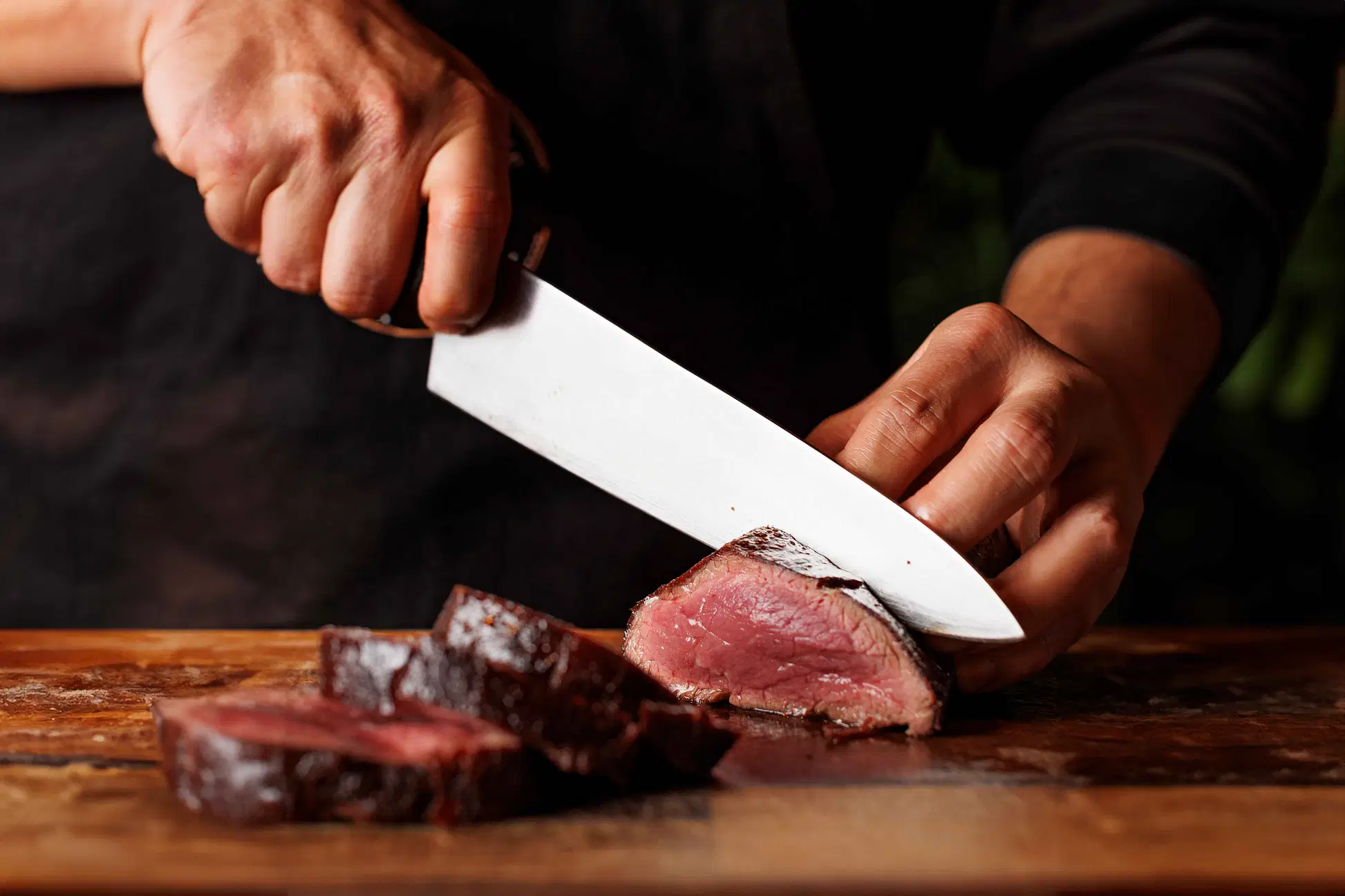
- Bife de Lomo (Tenderloin): This is the king of nobility. It is the leanest and most tender cut available. While it’s not a “traditional” asado cut because it lacks the fat needed for a long, smoky grill session, it is an elegant delicacy that represents the peak of Argentine beef quality. Do not hesitate to try it.
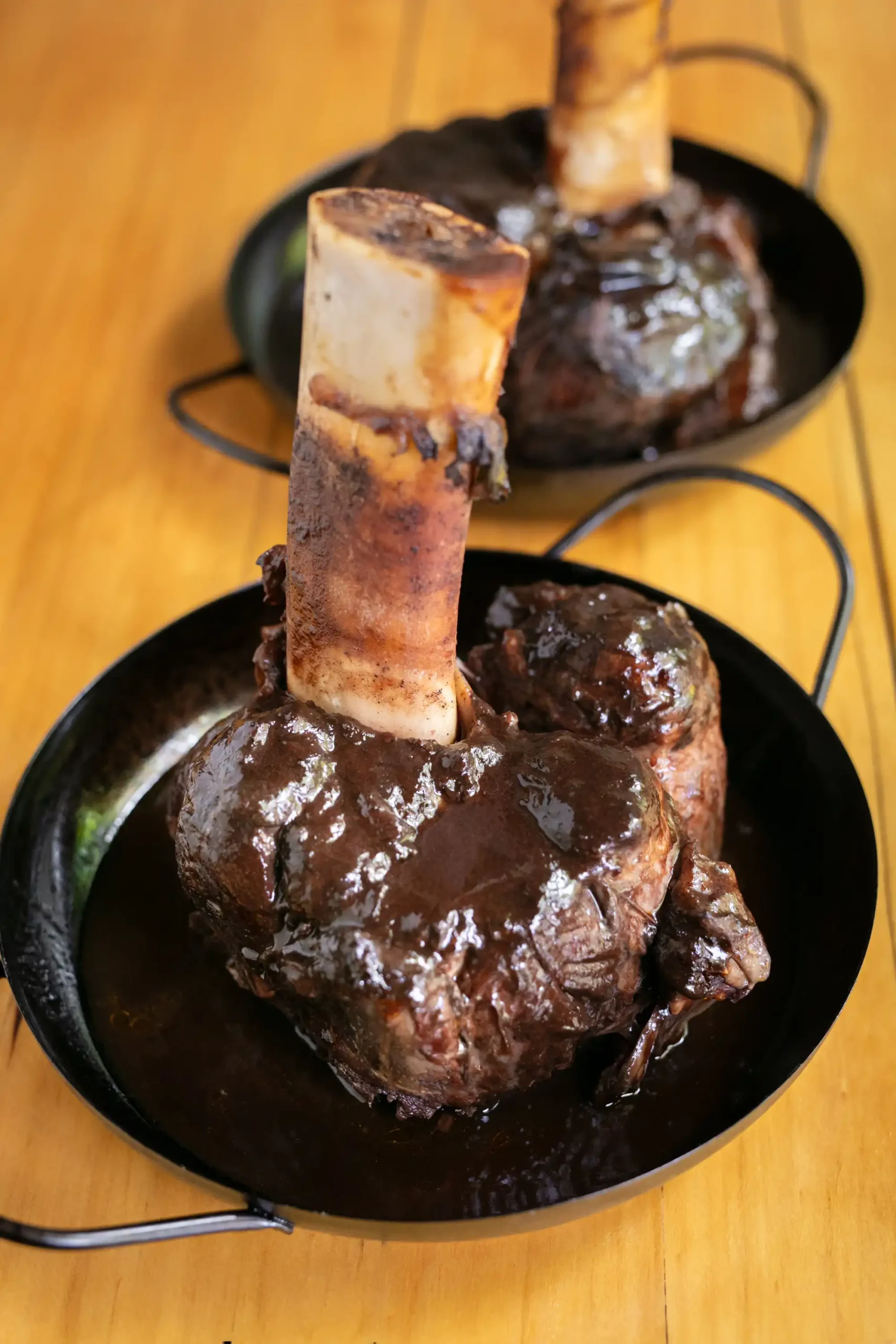
- Osso Buco: It has always been a humble, tough, and “popular” cut used in slow-cooked stews. However, in the past few years, it was rediscovered by modern Argentine chefs. When treated with the right technique, like our 10-hour braise, it becomes a world-class masterpiece of texture and depth.
- Ojo de Bife (Rib Eye): The gold standard for many steak lovers. It has the perfect balance of intramuscular fat, making it arguably the most flavorful and juicy cut on any menu.
- Bife de Chorizo (Sirloin): Perhaps the most famous Argentine steak internationally. It is a thick, hearty cut with a signature strip of fat along one side that melts into the meat as it cooks. It is the quintessential “steakhouse” experience.
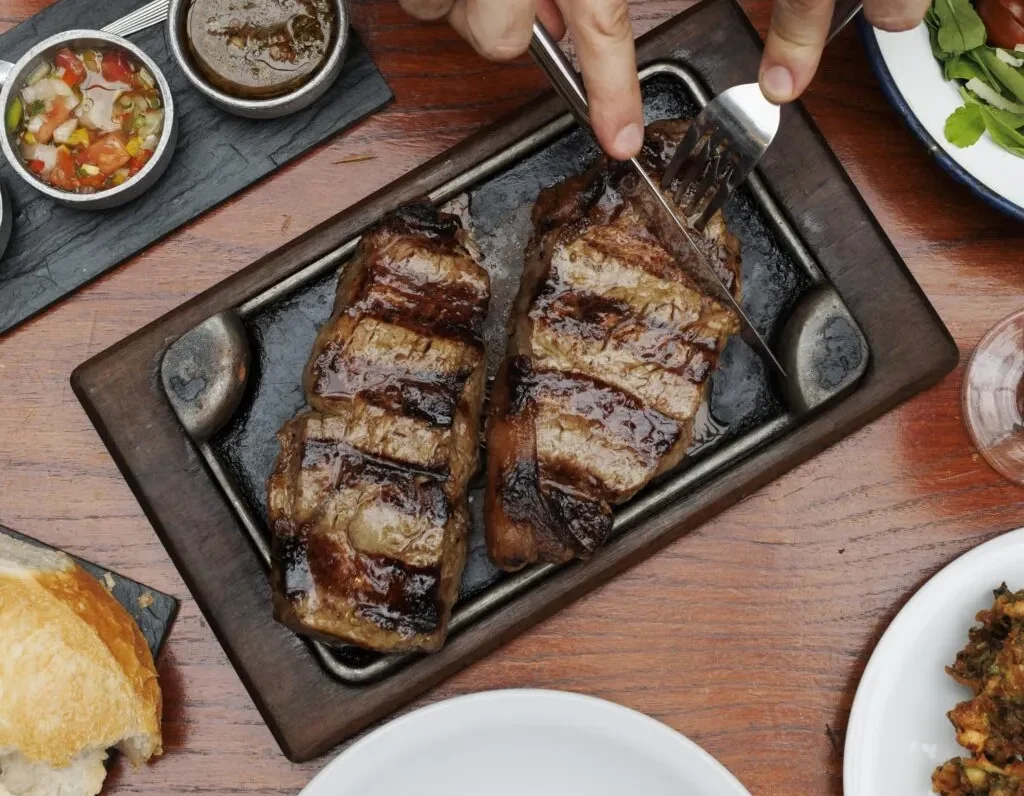
Where to Try the Best Argentine Beef?
If you’re wondering where to eat asado in Buenos Aires, and want to move beyond the theory to truly immerse yourself in the flavors we’ve discussed, you don’t have to navigate a crowded steakhouse alone. At The Argentine Experience, we’ve designed a journey that honors every pillar of our culture, from the ruggedness of the grill to the refined nobility of our most prized cuts.
The Dinner: A 16-Course Journey Through Argentina
Our dinner is not a meal; it’s a storytelling experience (Don’t worry, we do eat!). Across 16 curated courses, we take you to every corner of Argentina, involving you in our culture and pairing every bite with local world-class wines specifically selected to match our bold flavors.
Honoring the Asado
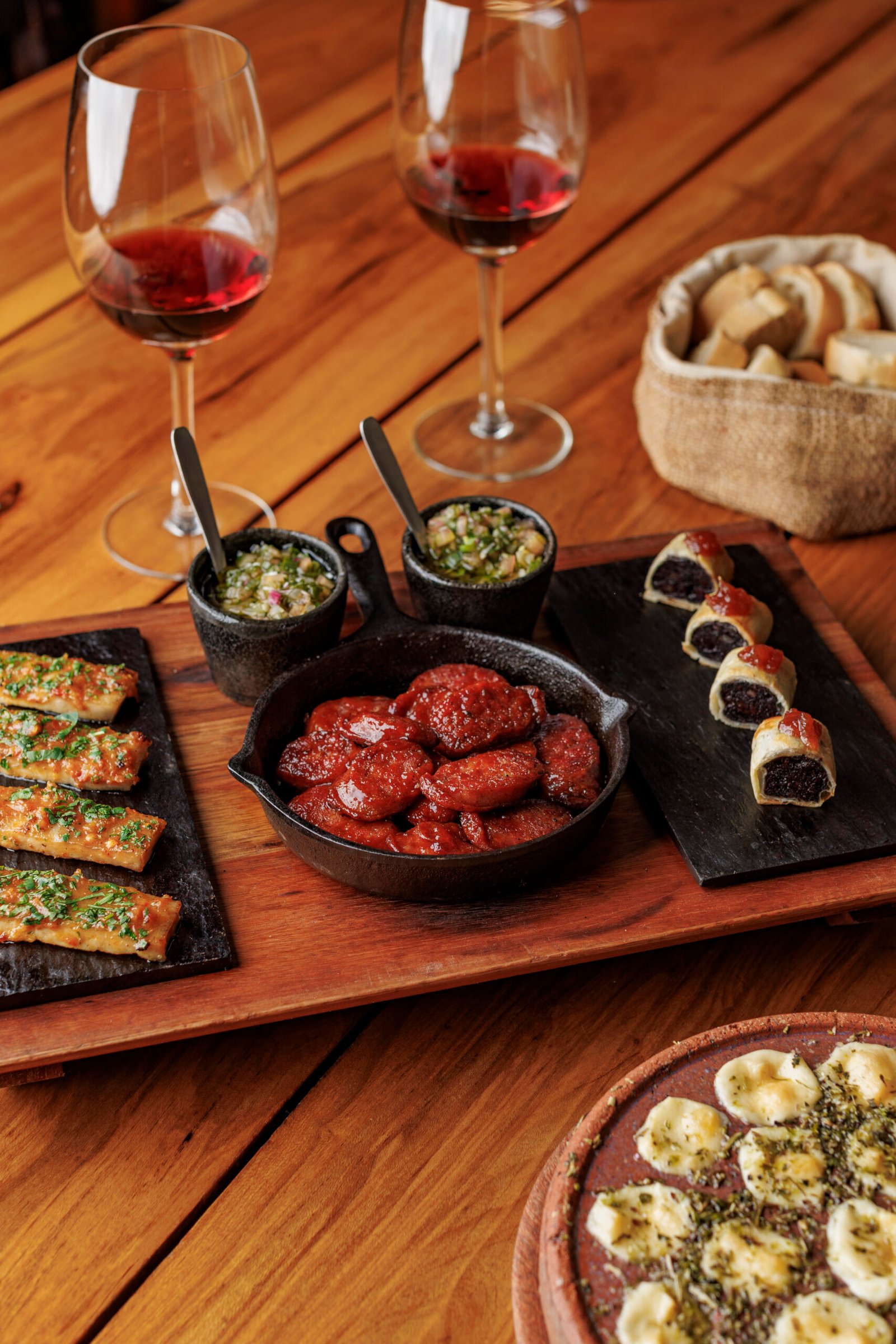
Though we’re not a regular steakhouse, you will definitely experience the “waves” of a traditional asado with our perfectly spiced Chorizo, tender Matambre, and savory Morcilla.
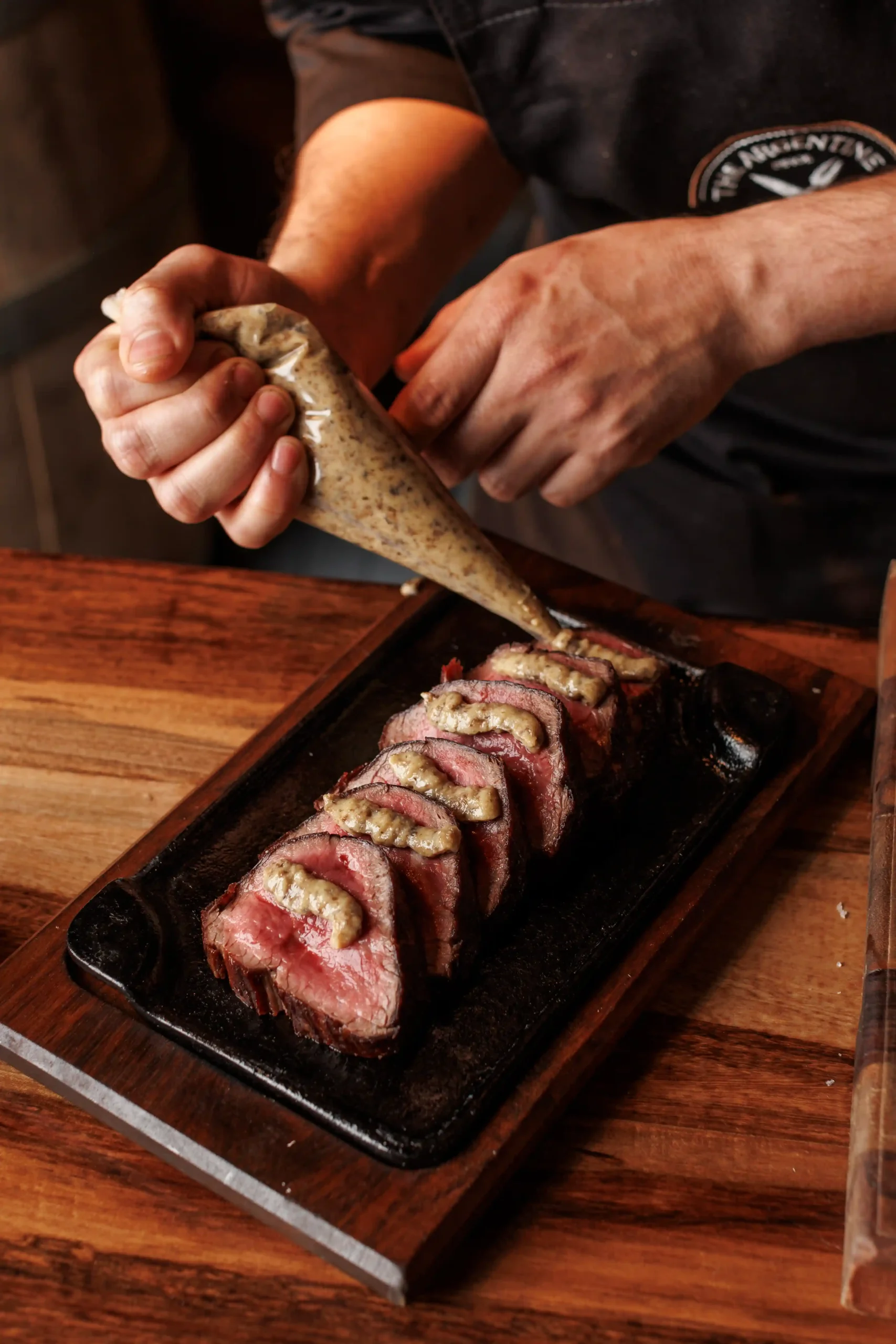
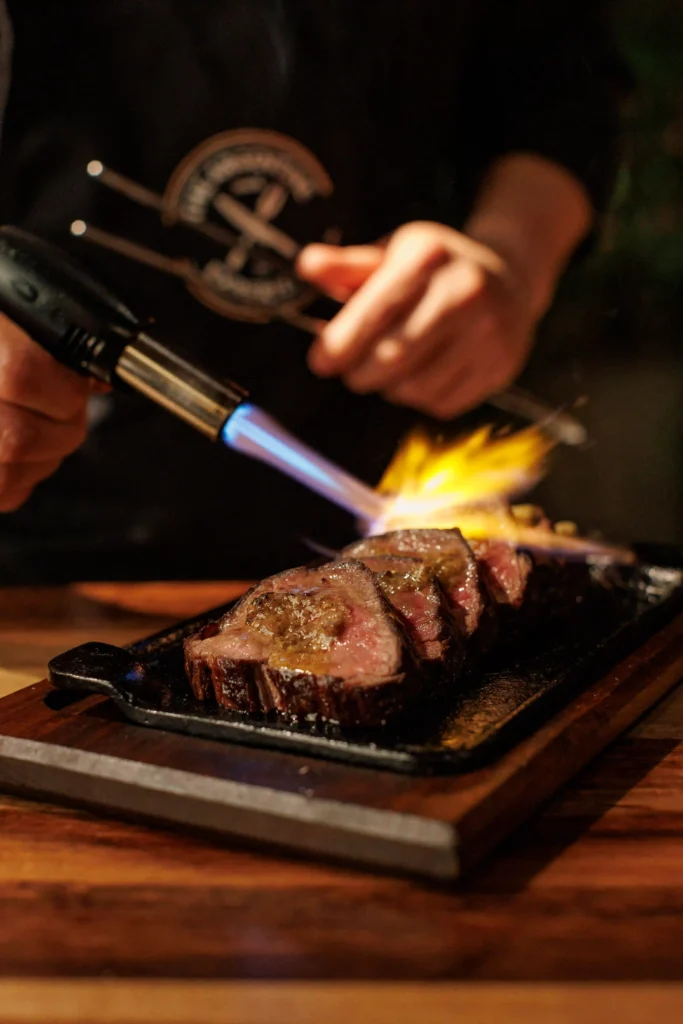
Lomo (Tenderloin)
We choose the Lomo for its undisputed nobility. Prepared with a rich mushroom butter, the dish is finished with a spectacular “show” as our chef uses a blowtorch right at your table to create that perfect, concentrated crust. It’s a moment where technique meets theater.
Osso Buco
This is the triumph of our kitchen. Our Osso Buco is meticulously selected and slow-braised to its absolute perfect point. Served with a rich, dark reduction of its own juices and wine, it is quite simply one of the most flavorful things you will ever taste in this country.
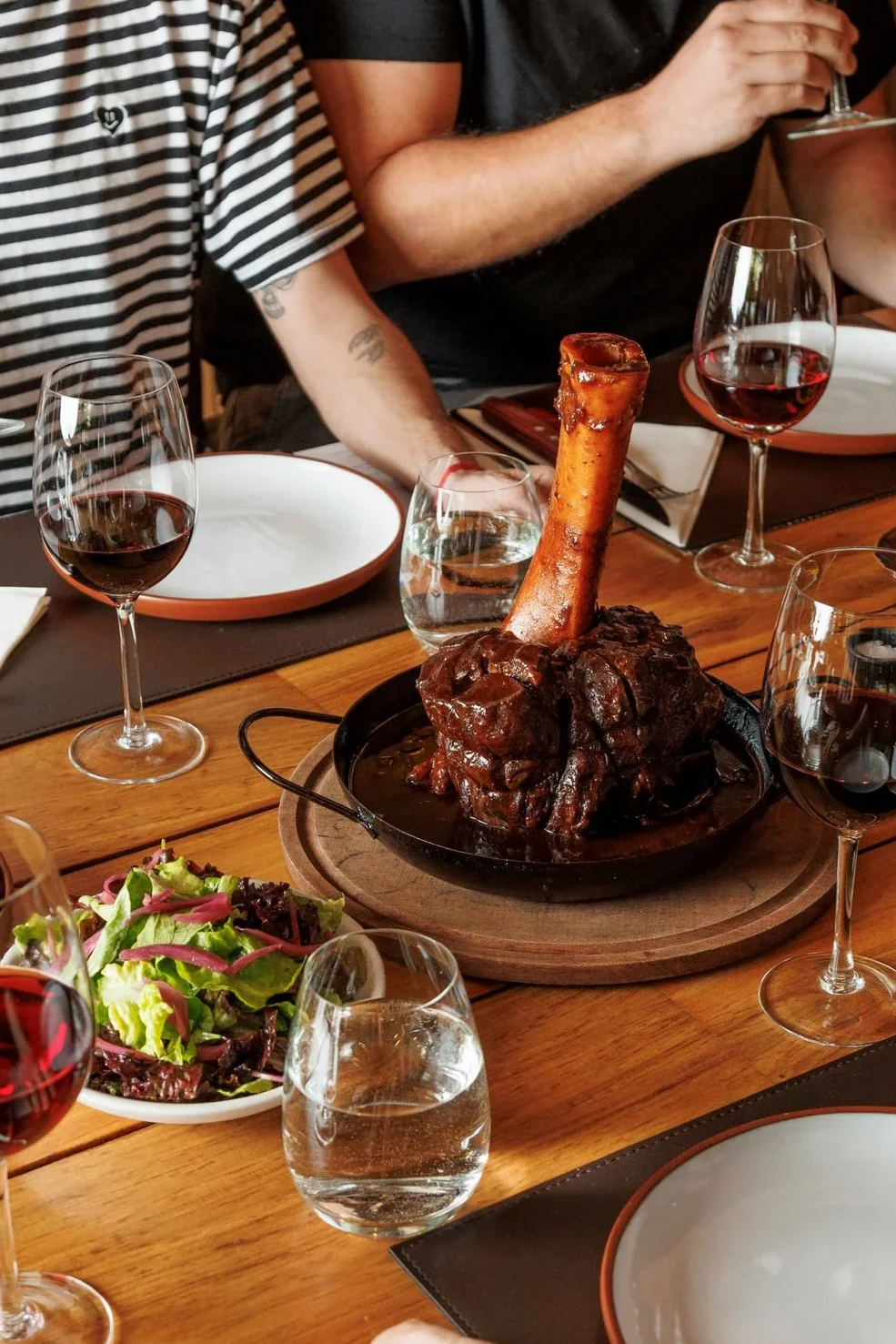
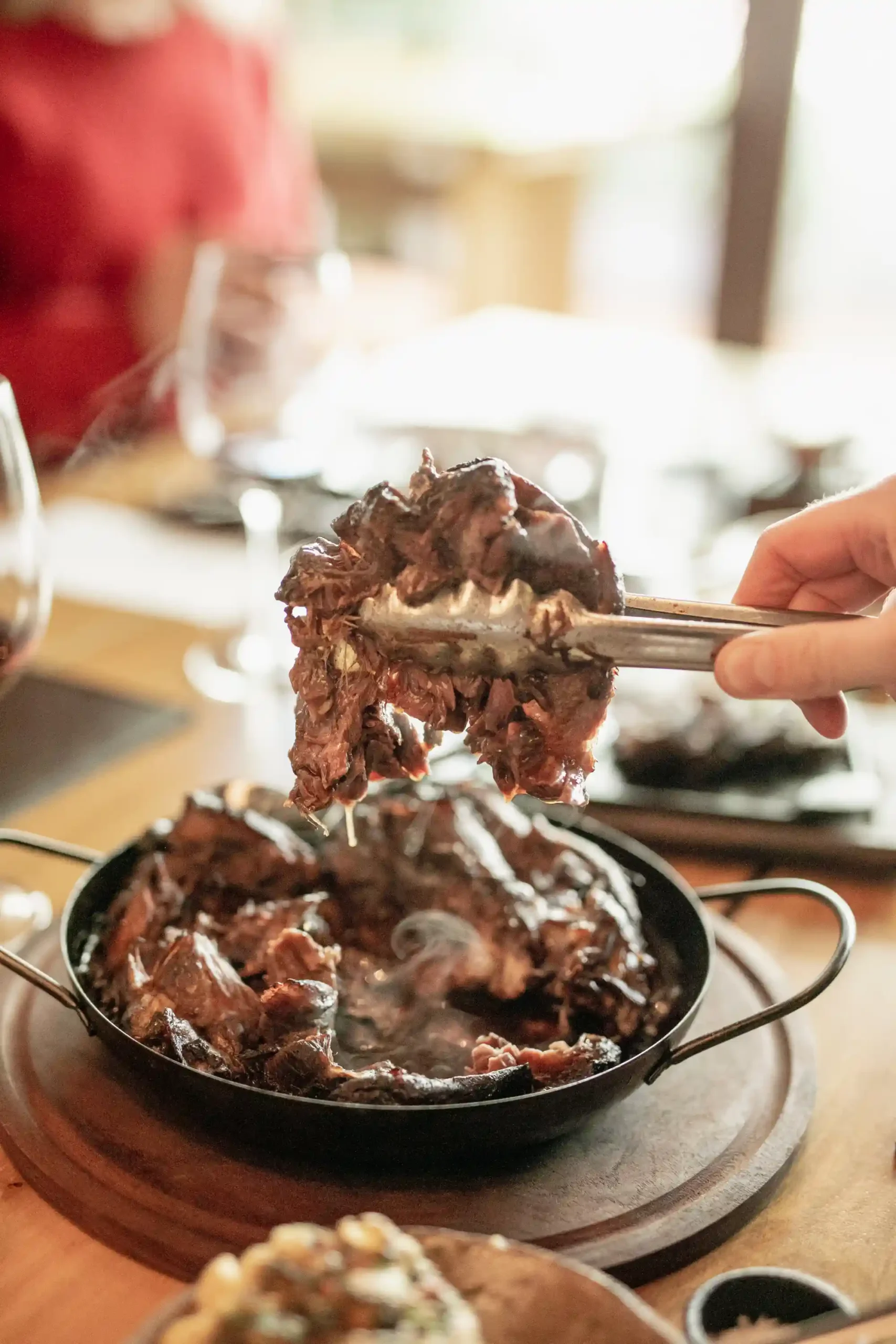
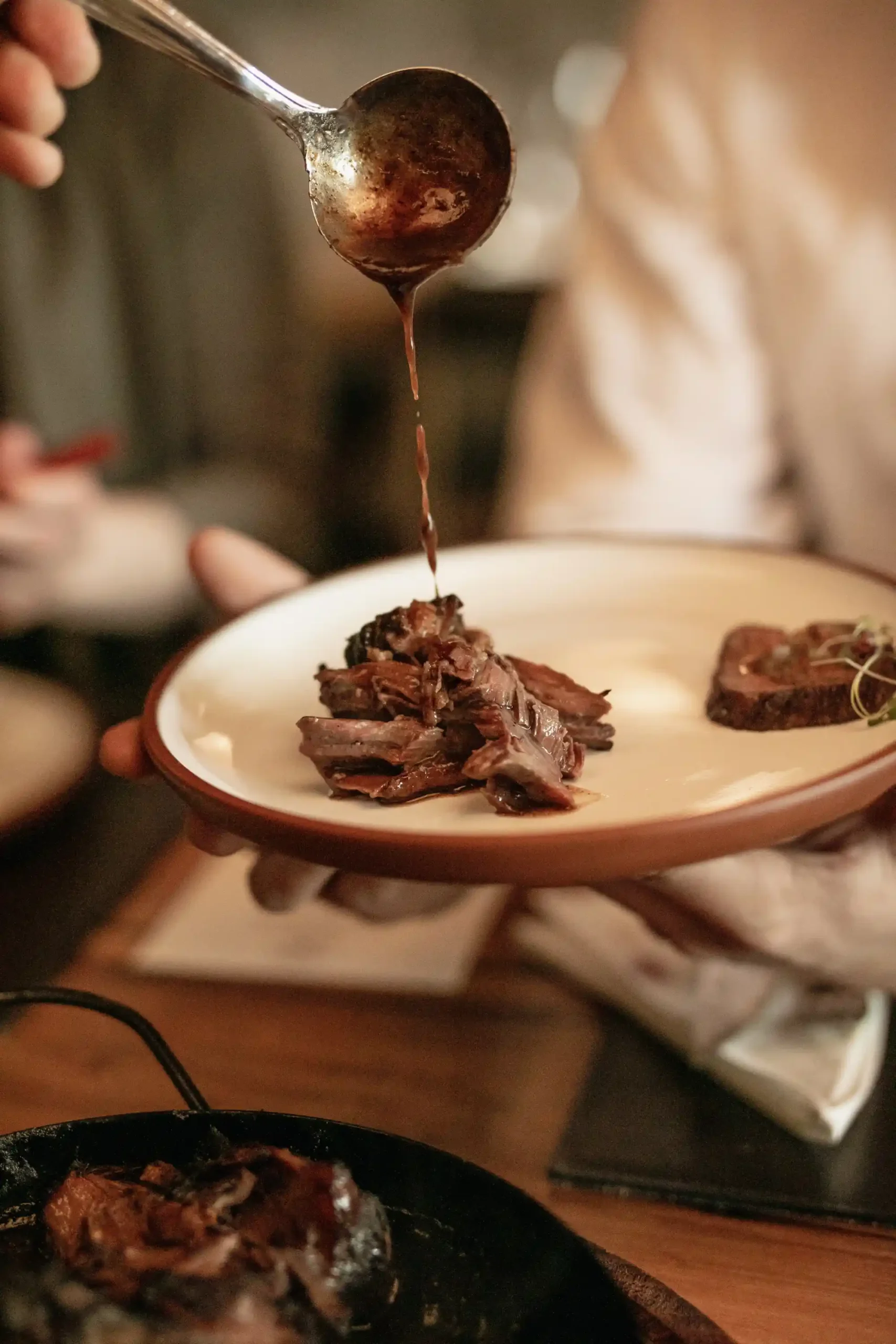
These highlights are part of a much larger journey; there are many more dishes designed to surprise you and highlight the incredible diversity of our regional flavors.
The Cooking Class: Get Your Hands Dirty
For those who want to be more than just spectators, our Cooking Class offers a deep dive into the craft. We’ll get our hands messy making Tenderloin empanadas, traditional chipa, and a classic homemade flan from scratch. We share a picada while we work, and trust me, the vibe is all about having fun. It doesn’t matter if you aren’t a pro in the kitchen; you’ll leave with a wealth of new flavors and recipes to recreate back home. To top it all off, we sit down for a lunch featuring a perfectly seared Lomo served with Andean potatoes that is, quite simply, amazing.
Ready to taste our culture?
Look, I don’t want to brag too much, but the truth is that Argentine beef simply won’t disappoint you. And honestly? Neither will we. We are beyond ready to be your hosts and can’t wait for you to finally experience our culture the way it’s meant to be experienced: with a glass in hand, a story to tell, and the best meat you’ve ever had on your plate.
Book your table or class at The Argentine Experience
Hungry for the full story? If you want to dive even deeper into the flavors of our land, beyond the grill, check out our expert’s deep dive into Argentine Food. Knowledge is the best seasoning, after all.